
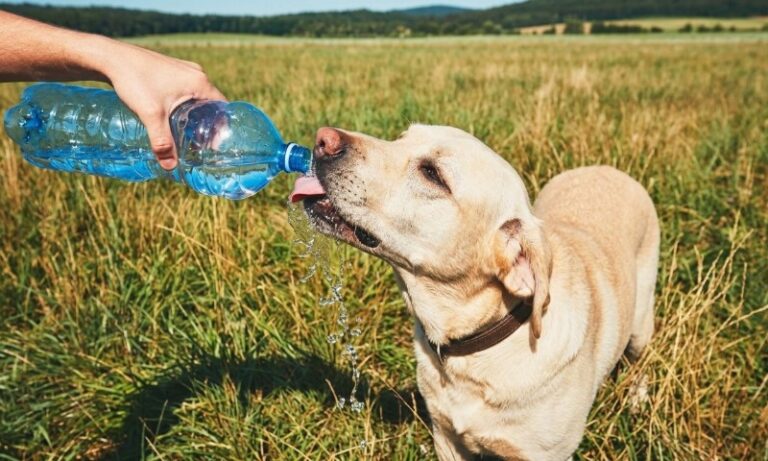
Extreme heat can damage roads, soften asphalt, and make paved surfaces dangerously hot.
A recent Texas highway incident showed how intense temperatures can affect materials designed to handle heavy traffic, which gives pet owners a clear sense of what sun-heated pavement can do to a dog’s paws.
Dogs face added risk because their bodies do not cool as efficiently as human bodies. Breed, size, age, coat type, health, humidity, and activity level all affect how quickly a dog may overheat.
Conditions that feel manageable to one dog may become dangerous for another within minutes.
Let us talk about this in greater detail.
Why Some Dogs Overheat Faster
Dogs release body heat mainly by panting and through small sweat glands in their paw pads.
Panting moves warm air out of the body and brings cooler air into the respiratory system, but humid conditions make that process much less effective. Moist air slows evaporation, so body temperature may rise even when a dog is panting heavily.
Flat-faced breeds face especially serious problems in hot weather. Bulldogs, Pugs, French Bulldogs, Boxers, and similar breeds have shortened airways that can limit airflow.
Breathing may become difficult during exercise, and their bodies may struggle to cool quickly enough.
Body size also matters. Large dogs may face some risk at temperatures of 65 to 69°F, especially during active walks or direct sun exposure.
Temperatures of 70 to 75°F can create moderate risk for large dogs and dogs with medical problems.
Several other groups can overheat faster:
- Puppies may have less control over body temperature and less protective paw padding.
- Senior dogs may have weaker circulation, reduced stamina, or chronic health conditions.
- Overweight dogs carry extra insulation that traps body heat.
- Thick-coated breeds may lose heat more slowly.
- Dogs with heart, lung, or respiratory conditions may struggle during even mild activity.
Outdoor activity may become dangerous for many dogs once temperatures rise above 82°F.
Walks should generally be avoided at 90°F or higher, since even short exposure can lead to heat exhaustion, burned paws, or heatstroke.
Signs of Overheating
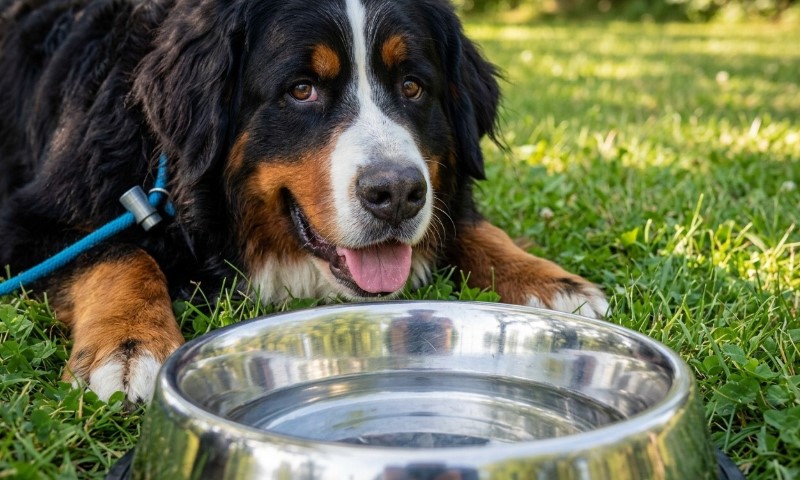
Heat illness can progress quickly. A dog that looks energetic at the start of a walk may become seriously ill only minutes later.
Common warning signs include:
- Fast or excessive panting
- Heavy drooling
- Dry or sticky gums
- Bright-red, blue, or bruised-looking gums
- Weakness or difficulty walking
- Vomiting
- Confusion or disorientation
- Seizures
- Collapse
Any sign of severe weakness, abnormal gum color, confusion, seizure activity, or collapse requires immediate veterinary care.
Getting veterinary care quickly can make a major difference when a dog or cat shows signs of heatstroke or another urgent condition. Pet owners can look for emergency veterinarian services in Texas when immediate medical attention is needed. UrgentVet is here for after-hours veterinary urgent care for pets, because Your Pet Can’t Wait to Feel Better ®
Severe or life-threatening heatstroke symptoms require immediate treatment at an emergency animal hospital.
Heatstroke is a medical emergency and can cause organ damage or death when treatment is delayed.
Hot Pavement Is a Major Danger
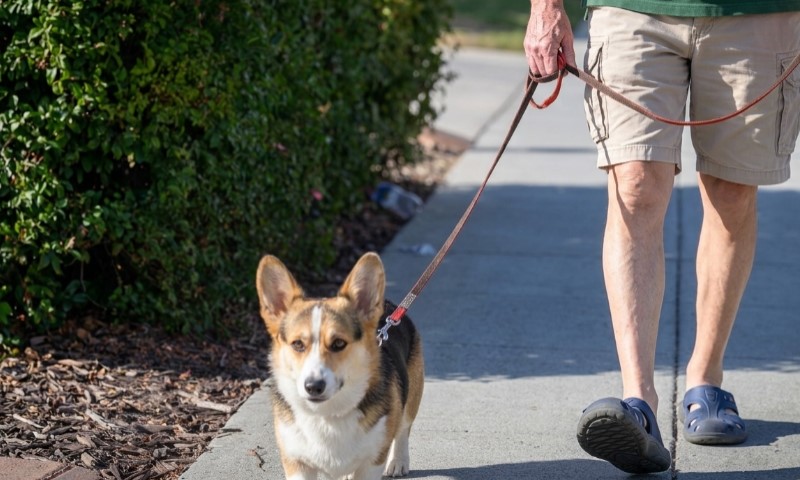
Air temperature does not show how hot the ground has become.
Sunlight can heat walking surfaces far above the temperature reported in a weather forecast, especially during the middle of the day.
Asphalt, concrete, and sand exposed to direct sunlight can become 40 to 60°F hotter than the surrounding air.
Dark pavement absorbs and stores heat particularly well, which means it may stay dangerously hot even after the air begins to cool.
Pavement may reach about 125°F on a sunny 75°F day. At that surface temperature, a dog can suffer paw injuries in as little as 60 seconds.
Damage may include redness, pain, peeling skin, blisters, and open wounds. Affected dogs may limp, avoid placing weight on one or more paws, lick their feet repeatedly, or suddenly refuse to continue walking.
A simple pavement test can help owners judge risk. Place a hand or bare foot against the walking surface for 10 seconds.
Discomfort or pain means the ground is too hot for a dog.
Testing more than one section of a route can also help, since shaded pavement may feel much cooler than areas exposed to full sun. Surface temperature can change quickly as shade moves or clouds pass.
Puppies need extra protection because their paw pads may not have developed thicker protective calluses.
How to Keep Dogs Safe
Temperature and humidity should be assessed together before outdoor exercise.
Add the temperature in Fahrenheit to the humidity percentage. Outdoor exercise should be avoided when the total reaches 150 or more.
For example, 80°F combined with 80% humidity produces a total of 160.
Such conditions are too hot for normal outdoor exercise, even when the air temperature alone does not seem extreme.
Moderate-risk conditions call for a very short relief walk of about five minutes. High-risk conditions call for skipping walks completely and using indoor activity instead.
Safer outdoor habits include:
- Walking early in the morning or later in the evening
- Choosing shaded or grassy routes
- Keeping walks shorter and slower
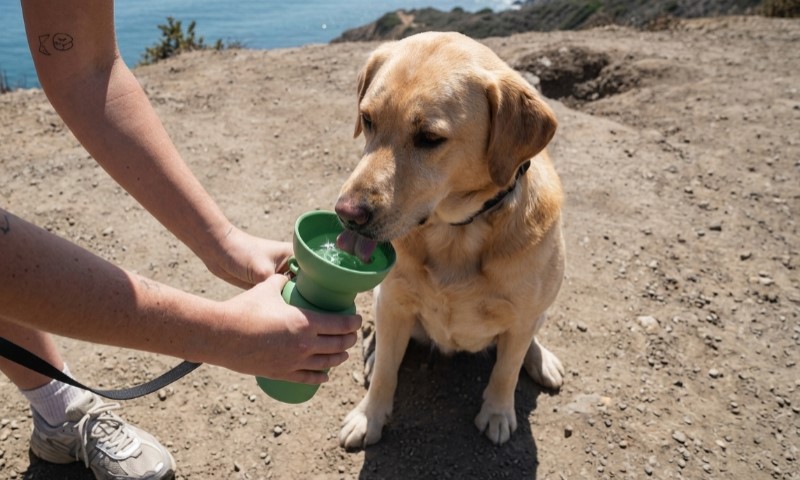
- Carrying fresh water and a collapsible bowl
- Allowing frequent rest breaks
- Watching breathing, movement, and gum color
- Avoiding intense running, fetch, or prolonged play
View this post on Instagram
A parked car is never safe for a dog during warm weather. Interior temperatures can rise rapidly, even with windows partly open or the vehicle parked in shade.
An overheated dog should be moved into shade or air conditioning immediately.
Apply cool water to the body, especially around the neck, chest, belly, groin, and paw areas.
Cold water and ice should be avoided because they may cause blood vessels to tighten and slow heat release.
Veterinary care should be contacted right away, even when the dog seems to improve. Internal body temperature and organ damage may continue to create danger after visible symptoms decrease.
Wet towels should not be left wrapped around an overheated dog unless they are replaced continuously.
Fabric warms quickly and may trap heat against the body instead of helping it escape.
Summary
No single temperature is safe for every dog. A small, healthy dog may tolerate conditions that create serious risk for a large, flat-faced, elderly, overweight, thick-coated, or medically vulnerable dog.
Breed, age, body size, health, humidity, exercise intensity, sunlight, and pavement temperature should all shape each decision about outdoor activity.
Careful planning matters most during heat waves, when conditions can become unsafe much faster than expected.
Skipping a walk or reducing it to a brief bathroom break is always safer than risking burned paws, heat exhaustion, or heatstroke.