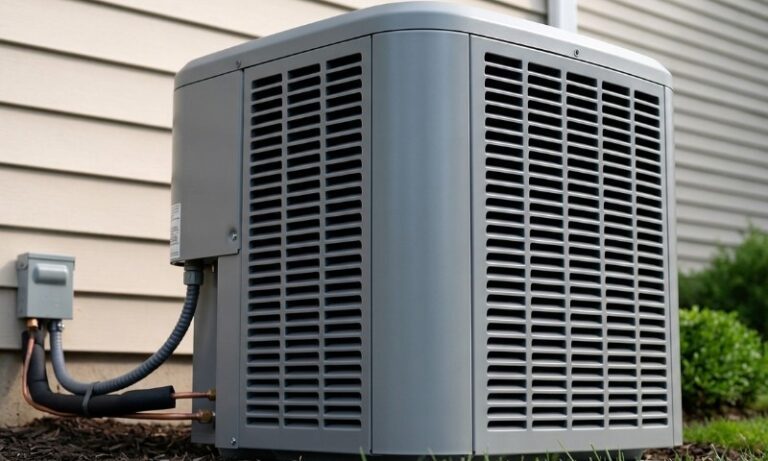

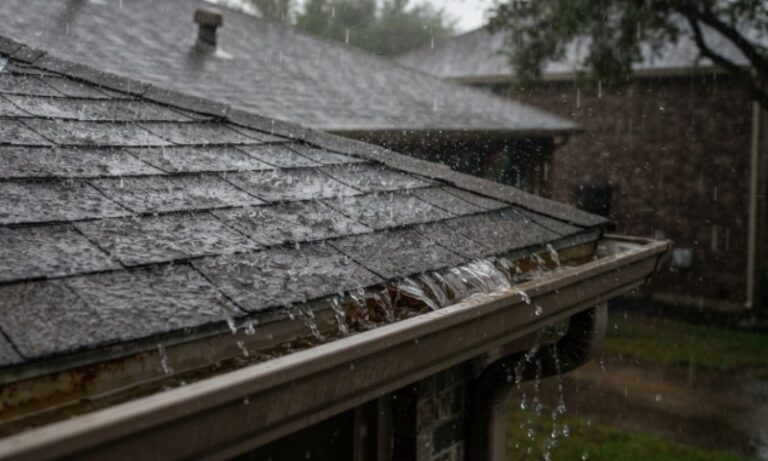
Texas weather can put a house through extreme conditions in a single year.
Triple-digit heat, drought, hail, heavy or tropical rain, high winds, humidity, and sudden freezes can all stress roofing, foundations, plumbing, HVAC equipment, exterior finishes, and drainage systems.
Preventive maintenance gives homeowners a better chance to catch small problems before harsh weather turns them into costly repairs.
Seasonal inspections work best when they happen before each system reaches its highest-stress period, not after damage becomes obvious.
Heat, Sun, and Drought Can Damage Exterior Materials and Foundations
Long periods of heat and direct sun can wear down many exterior materials. UV exposure can fade paint and siding, dry out wood decks and fences, crack caulk and sealants, and speed up roof aging.
Concrete may also develop cracks as temperatures rise and fall and materials expand and contract.
Drought creates another problem below ground. Soil can shrink and pull away near a foundation when moisture levels drop.
Clay-heavy soils, including those found across parts of Greater Houston, can expand during wet periods and contract during dry periods.
Repeated movement can place stress on foundations, patios, sidewalks, and driveways.
Homeowners should inspect roof surfaces, siding, exterior caulk, decks, fences, foundation cracks, and soil near the house. Attic insulation and HVAC equipment also deserve attention before summer reaches its hottest point.
Heavy AC use can quickly load filters with dust and debris. During peak summer operation, filters may need replacement about every 30 days.
Also check attic insulation for gaps, settling, or thin areas that let excess heat into living spaces.
Foundation checks should focus on changes rather than every minor crack. New cracks, widening gaps, sticking doors, uneven floors, or soil pulling noticeably away near exterior walls can justify a closer inspection.
Heavy Rain and Humidity Can Expose Drainage and Moisture Problems
Warm, humid conditions give mold, mildew, algae, moss, and wood rot more opportunity to develop.
Shaded walls, decks, fences, roofs, and concrete may stay damp longer after rain, increasing the chance of biological growth and slick surfaces.
Regular exterior cleaning can help control buildup on siding, driveways, walkways, decks, and fences. Homeowners dealing with persistent algae, mildew, or grime can consider professional pressure washing in Austin.
Poor drainage can create more serious problems near a foundation.
Clogged gutters, short downspouts, low areas near exterior walls, and compacted soil can all allow water to collect close to the house.
Homeowners should inspect gutters and downspouts, grading near the foundation, attic areas, ceilings, siding, exterior wood, and plumbing fixtures.
Water stains, musty odors, peeling paint, softened wood, or unexplained dampness can point to an active moisture problem.
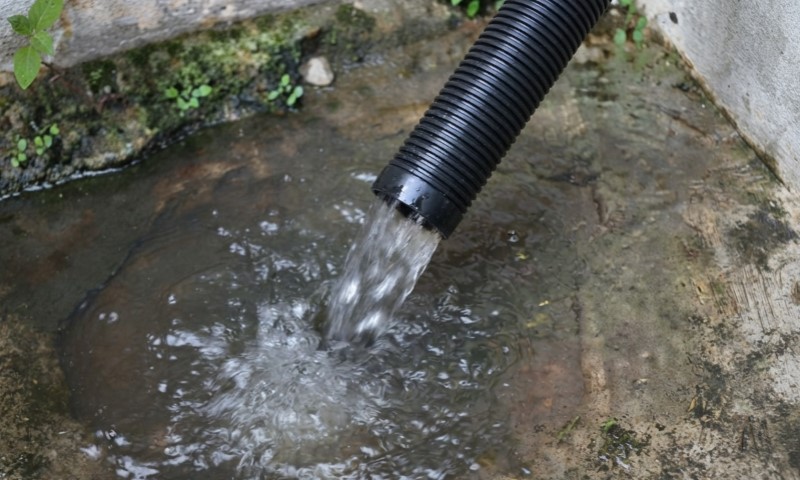
Heavy rain offers one of the best opportunities to evaluate drainage. Watching water move across the property can reveal ponding, overflowing gutters, downspouts that discharge too close to the house, and areas where runoff moves toward the foundation.
Indoor checks matter too. Ceiling stains, damp window frames, attic moisture, or new discoloration after a storm may indicate a roof, flashing, plumbing, or exterior-seal problem.
Hail, Wind, and Severe Storms Can Cause Hidden Exterior Damage
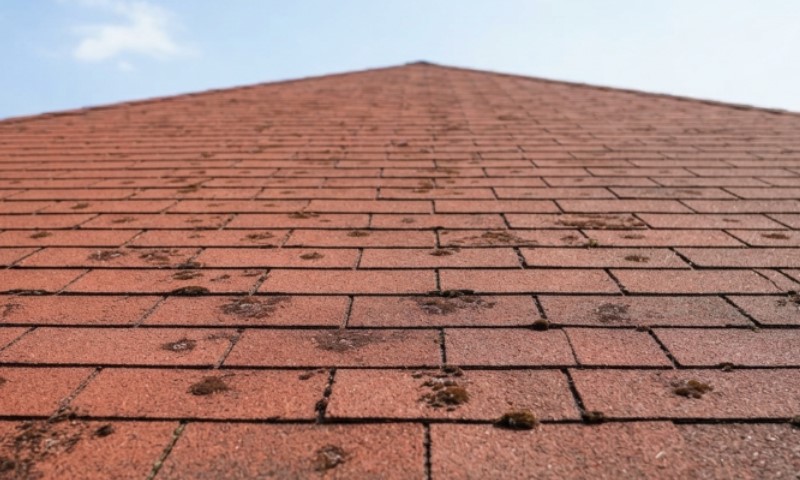
Severe Texas storms can damage roofing, gutters, siding, fences, trees, windows, and other exterior components.
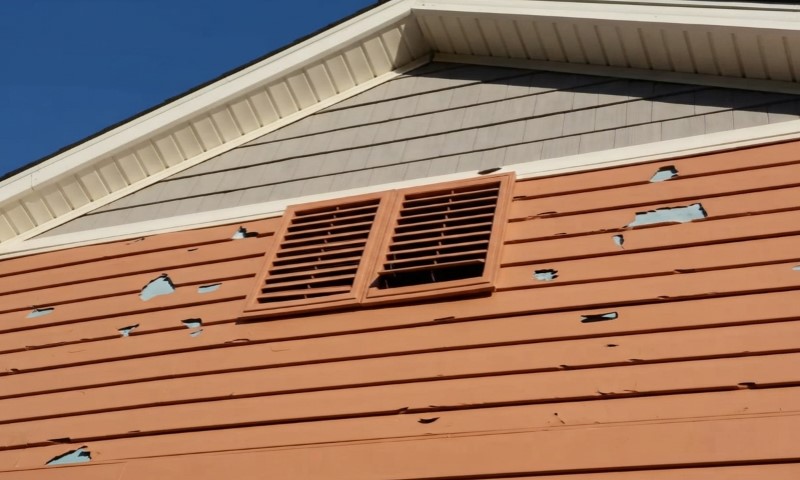
Hail can bruise shingles or dent metal surfaces, while high winds can lift shingles, loosen flashing, move fences, and send debris into walls or windows.
Post-storm inspections should include shingles, flashing, gutters, downspouts, siding, fences, trees, sheds, patios, and other exterior structures.
Interior ceilings and areas around windows should also be checked for fresh stains or moisture.
Several warning signs deserve prompt attention:
- Missing, lifted, cracked, or displaced shingles
- Bent, cracked, or loose flashing
- Hail impacts on roofing, gutters, siding, or metal surfaces
- Broken or hanging tree limbs
- Fences that lean, shift, or separate at posts
- New water stains near ceilings, walls, or windows
Photos can help document visible storm damage before temporary repairs begin, as long as conditions are safe.
Walking on a wet, steep, or visibly damaged roof can create a fall risk and may cause additional damage, so ground-level checks or professional inspections are safer options.
Storm cleanup should also include gutters and drainage paths.
Leaves, roof granules, branches, and debris can block water movement and create new drainage problems during the next round of rain.
Freezes and Winter Weather Can Damage Pipes and Exterior Fixtures
Sudden cold snaps can be especially hard on Texas homes that are not designed for long periods of freezing weather.
Exterior faucets, exposed pipes, irrigation equipment, attic plumbing, seals, and heating systems can all be vulnerable.
Frozen pipes can create damage that does not appear right away. Ice expansion may crack a pipe or fitting, but leaking may begin only after temperatures rise and water pressure returns.
Before freezing weather arrives, homeowners should inspect hose bibs, exposed plumbing, irrigation components, attic areas, weatherstripping, heating equipment, and the water heater.
Several preventive steps can reduce cold-weather risk:
- Insulate vulnerable pipes and exterior hose bibs
- Disconnect garden hoses
- Learn where the main water shutoff is located
- Review the irrigation system’s freeze procedure
- Check weatherstripping around exterior doors and windows
- Confirm that heating equipment is working before a cold snap
Water heaters should also receive annual attention. Flushing sediment once a year can help control mineral buildup and support normal operation, especially in areas with hard water.
After a freeze, plumbing should be checked as temperatures rise. Damp drywall, low water pressure, dripping fittings, wet cabinets, or unexplained water use may signal a leak that became visible after thawing.
Simple Annual Home Inspection Checklist for Texas Homeowners
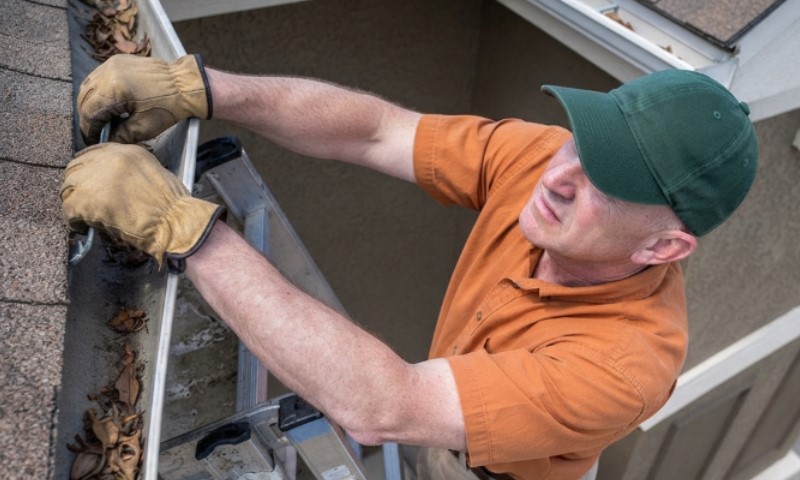
At least once a year, homeowners should review the major parts of the property that face repeated weather stress.
Extra checks should follow hailstorms, heavy rain, strong winds, extended drought, and freezing conditions.
| Area | What to Check |
| Roof and flashing | Missing shingles, hail damage, loose flashing, cracked seals |
| Gutters and drainage | Clogs and poor water flow |
| Foundation | New cracks, widening gaps, soil movement |
| HVAC | Filters, condenser debris, condensate drain, system performance |
| Windows and doors | Failed caulk, drafts, worn weatherstripping |
| Plumbing and irrigation | Leaks, damaged faucets, broken sprinkler heads |
| Exterior surfaces | Fading, warping, mold, cracking, rot |
| Trees | Dead, broken, or unstable limbs |
Annual inspections become more useful when homeowners compare conditions over time.
Photos of roof edges, foundation cracks, drainage areas, fences, and exterior walls can make changes easier to spot during later checks.
Summary
Texas weather places different types of stress on a house throughout the year.
Heat dries materials, drought moves soil, humidity promotes moisture problems, storms damage exterior components, and freezes threaten plumbing and irrigation systems.
Regular inspections help homeowners respond before minor wear turns into a larger repair.
An annual whole-home check, combined with quick inspections after hail, heavy rain, high winds, drought, or freezing weather, can make maintenance more predictable and protect the house through changing Texas conditions.