
Texas has a reputation for heat, and for much of the year that reputation is deserved. Winter is harder to describe with one number.
A January morning in Amarillo can begin well below freezing while Brownsville wakes up in the 50s. Dallas regularly sees overnight freezes. Houston may spend several winter afternoons in the 60s before a strong cold front knocks temperatures down by 30 degrees.
For anyone moving to Texas or visiting between December and February, the useful question is not simply how cold the state gets. Location matters, and so does the speed at which Texas weather changes.
Texas Winter Temperatures Depend Heavily on Where You Are
Texas stretches for hundreds of miles from north to south and east to west. The Panhandle, Gulf Coast, Hill Country, North Texas and Rio Grande Valley do not share the same winter.
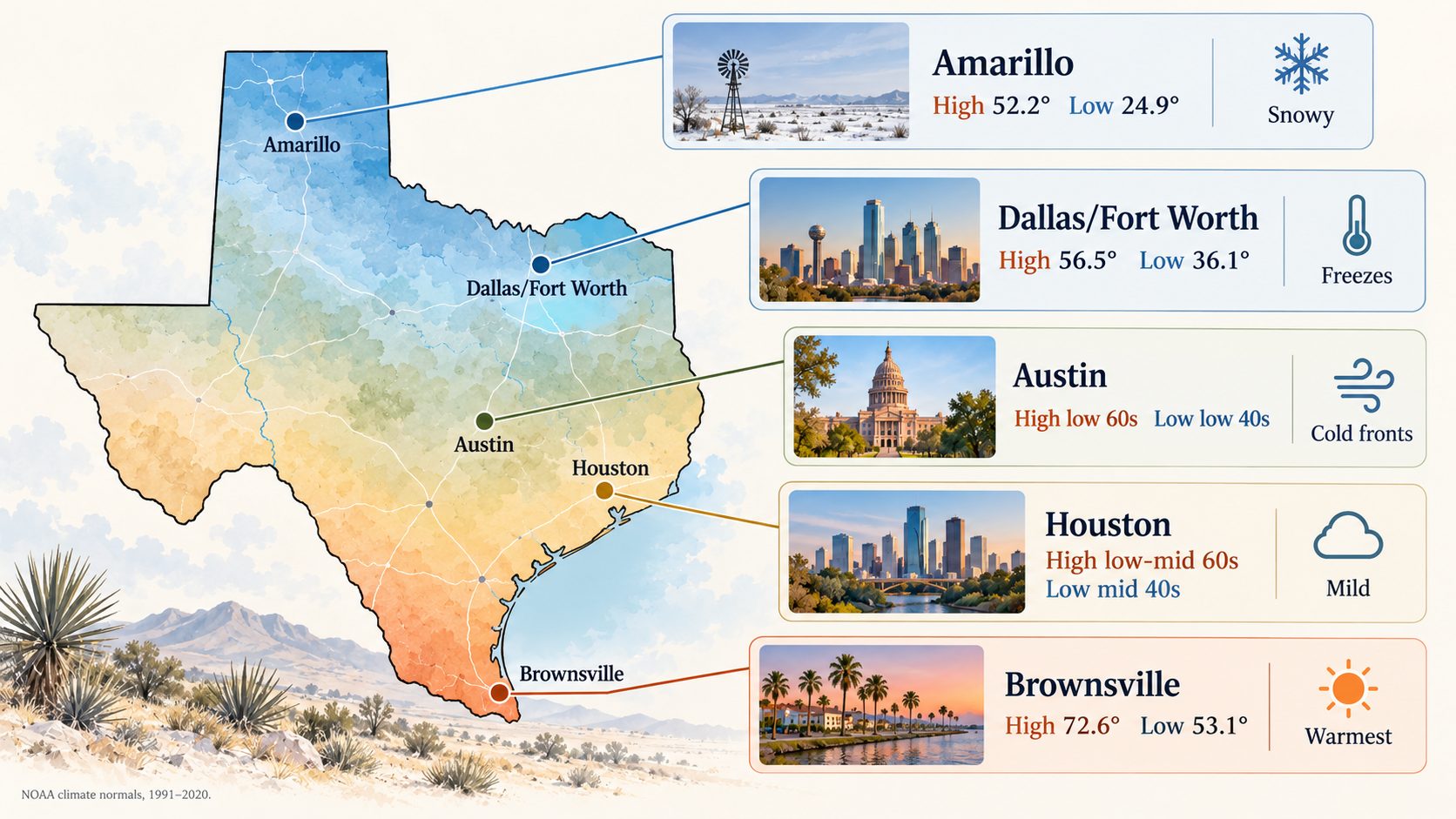
NOAA climate normals for 1991 through 2020 show just how large the difference can be.
| Location | Typical January High | Typical January Low | What Winter Feels Like |
| Amarillo | 52.2°F | 24.9°F | Regular freezes, wind and measurable snow |
| Dallas/Fort Worth | 56.5°F | 36.1°F | Cool days with recurring overnight freezes |
| Austin | Low 60s | Low 40s | Mild stretches interrupted by cold fronts |
| Houston | Low to mid 60s | Mid 40s | Generally mild with occasional freezes |
| Brownsville | 72.6°F | 53.1°F | Warmest of the major Texas regions |
The National Weather Service climate records put Amarillo’s January normal low at 24.9°F. The city averages 17.2 inches of snow over an entire year, with 4 inches normally falling in January alone.
Dallas is warmer, but freezing weather is still part of an ordinary winter. The National Weather Service reports an average of 29 freezes per season at Dallas/Fort Worth under the current 1991-2020 climate normals.
South Texas is another story. Brownsville’s January normal maximum is 72.6°F and its normal minimum is 53.1°F. A visitor traveling from the Panhandle to the Lower Rio Grande Valley can therefore move between two very different versions of winter without leaving Texas.
The Panhandle Gets the Closest Thing to a Traditional Cold Winter
Amarillo and the surrounding Panhandle are where winter coats earn their place in the closet.
Freezing nights are normal, snow appears most winters and strong winds make cold air feel harsher. The area’s elevation and position far from the Gulf leave it exposed when Arctic air pushes south through the Plains.
Amarillo’s climate records include a low of -16°F, recorded in 1899. The official Texas Panhandle record is even lower, with Spearman reaching -22°F in January 1959.
Those are historic extremes, not ordinary winter temperatures. They still show that North Texas and the Panhandle are capable of cold that looks very different from the Texas seen in travel ads.
North Texas Gets Enough Freezing Weather to Plan Around It
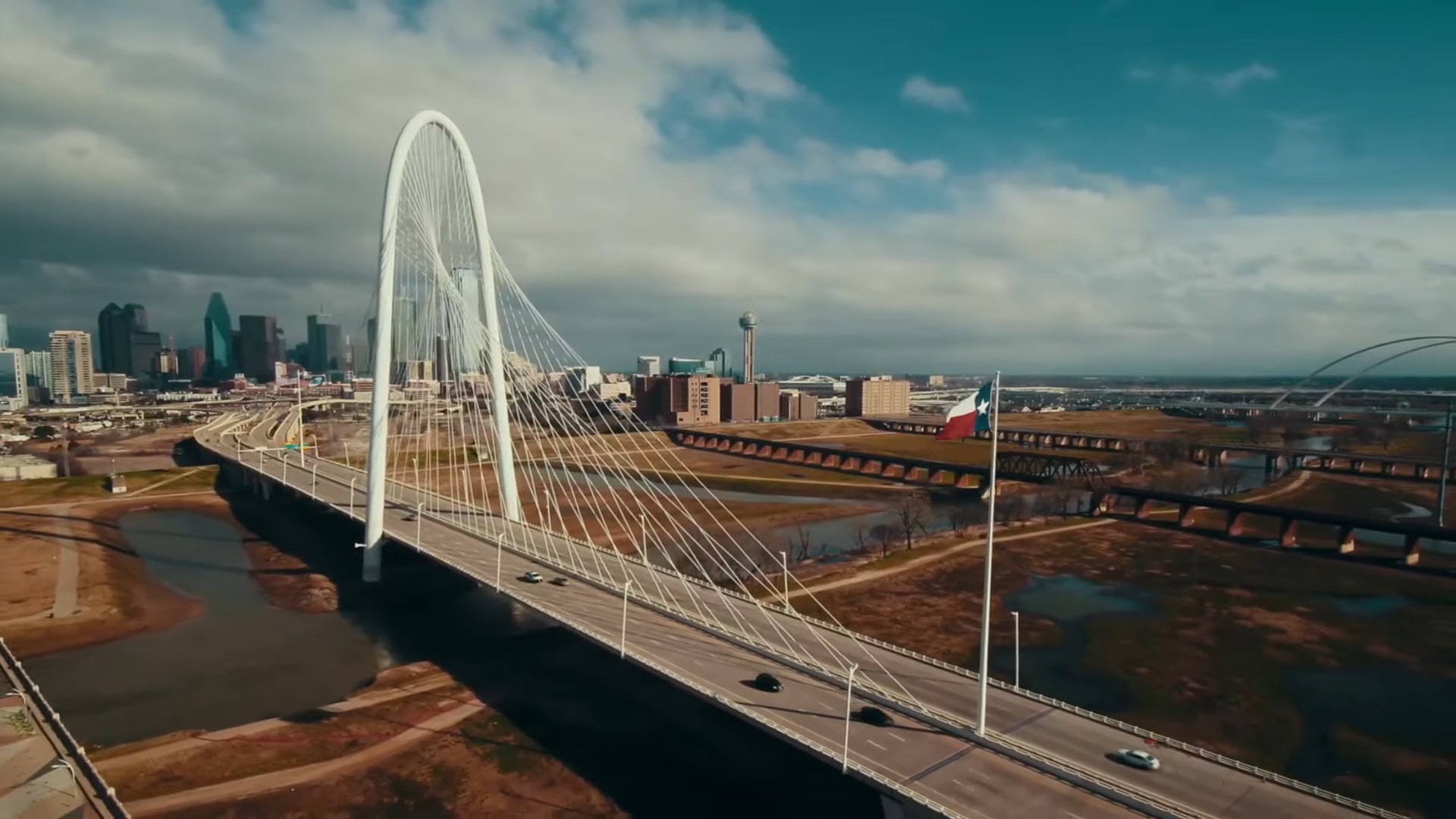
Dallas and Fort Worth sit between the colder Panhandle and warmer parts of Central and South Texas.
January normal temperatures at DFW are 56.5°F during the day and 36.1°F at night, according to National Weather Service records.
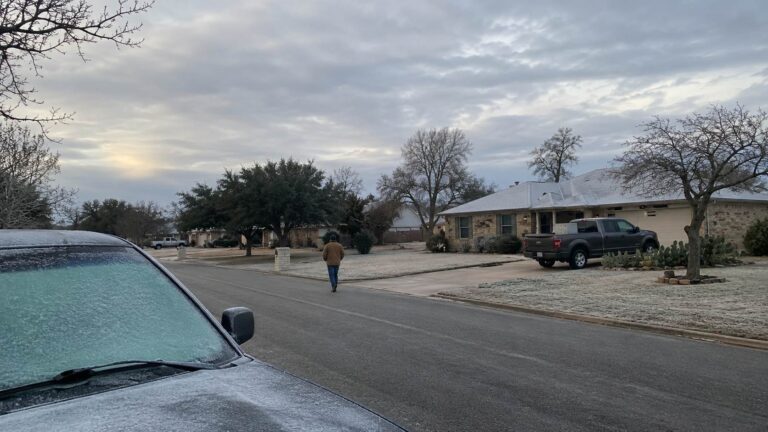
Many winter days are comfortable with a jacket. A strong front can change that quickly, bringing freezing temperatures, sleet or ice. Snow is less dependable than in Amarillo, but winter weather does not need deep snow to disrupt North Texas roads. A thin layer of freezing rain can create a much larger transportation problem.
Central Texas Winters Swing Back and Forth
@aliciagraham493 Exploring the possibility of winter precipitation in Central Texas. Stay informed about potential snow events and be prepared. Share your thoughts below! #TexasWeather #WinterPreparation #SnowForecast #WeatherTrends #CentralTexas ♬ original sound – AliciaGraham493
Austin and the Hill Country spend plenty of winter afternoons in the 50s and 60s. Warm spells can push temperatures much higher.
Then a front arrives.
The Austin/San Antonio National Weather Service office records January normal temperatures near the low 60s during the day and low 40s at night at Austin Camp Mabry. Freezing mornings occur, but they do not define the whole season.
That back-and-forth pattern catches newcomers off guard. A patio lunch in mild sunshine on one day tells you very little about what the next morning will feel like.
Houston Winters Are Mild Until a Cold Front Arrives
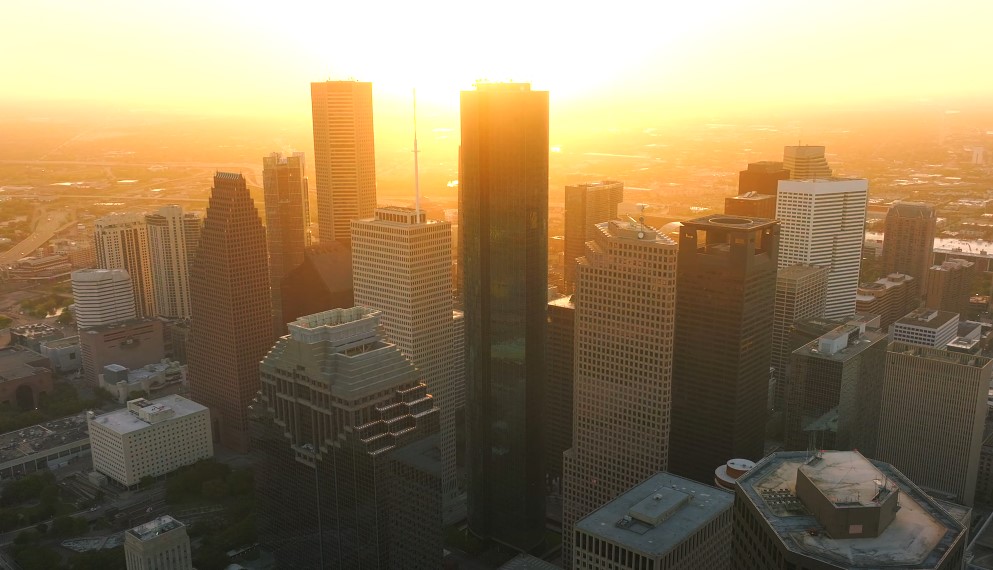
Houston sits much closer to the Gulf of Mexico, which moderates winter temperatures.
Early January normals at Houston’s major climate station are around 63°F for daytime highs and 44°F for nighttime lows. Long stretches can feel closer to a cool spring elsewhere in the country.
Freezing temperatures still reach Houston. The difference is duration. Cold outbreaks tend to arrive as events rather than settle in as a permanent winter pattern.
Preparing for Different Seasons in Texas Takes More Than One Winter Checklist
Texas weather asks residents to prepare for several different kinds of stress during the same year.
Winter brings freezes and occasional ice. Spring introduces severe thunderstorms, hail and heavy rain. Summer means long periods of high temperatures, strong sunlight and heavy air-conditioning use. Along the Gulf, hurricane season adds another layer.
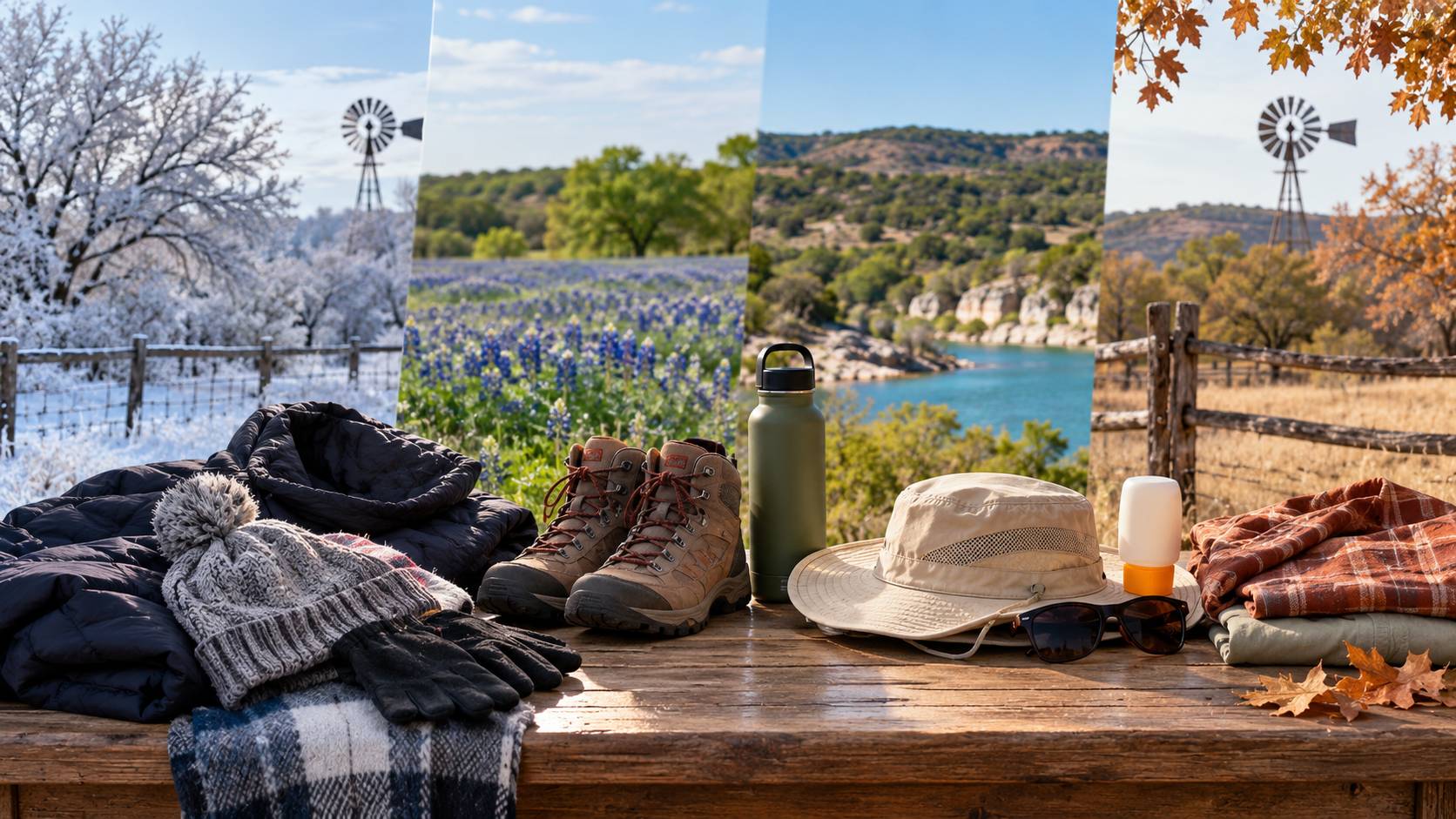
Before Winter
Outdoor plumbing deserves attention before freezing temperatures arrive. Exposed faucets, irrigation equipment and pipes in unheated areas are vulnerable during harder freezes.
- Disconnect garden hoses before freezing weather
- Protect exposed outdoor plumbing
- Know where the main water shutoff is located
- Test the heating system before the first hard freeze
- Inspect door and window weatherstripping
- Review irrigation-system freeze procedures
Our guide to Texas weather and home inspections covers several other areas worth checking throughout the year, including roofing, drainage, foundations and HVAC equipment.
Spring Means Storm Preparation
Spring can be one of the most active weather periods across North and Central Texas. Thunderstorms bring hail, damaging wind, flash flooding and tornadoes.
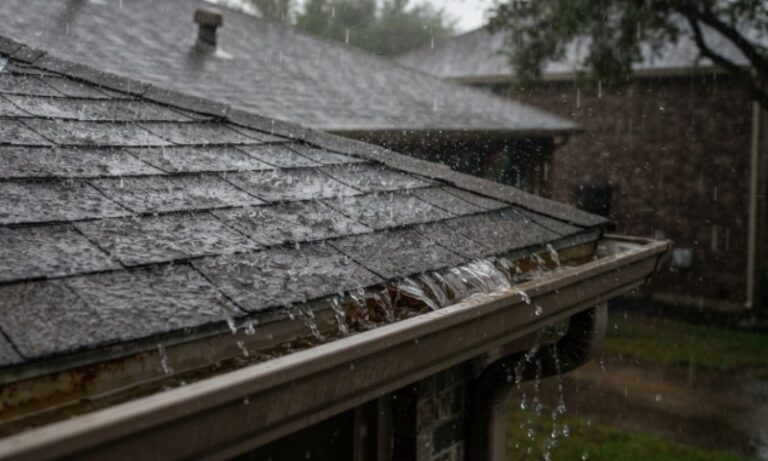
Residents do not need the same preparation they used for January. Gutters, roof drainage, trees, outdoor furniture and storm alerts become more important as temperatures rise.
View this post on Instagram
After a Severe Storm
A quick exterior inspection can reveal missing shingles, damaged gutters, fallen limbs, fence movement and new water entry. Roof damage is not always visible from the ground, particularly after hail.
Photographs taken before cleanup can also provide a useful record when significant damage occurs.
Summer Shifts the Work Outdoors
Long Texas summers leave their own mark on houses. Sun fades painted surfaces and fencing. Dust and pollen collect on patios and siding. Humidity in eastern parts of the state encourages algae and mildew, while dry periods in North Texas can leave soil pulling away from foundations.
Spring and early fall are convenient periods for exterior maintenance because homeowners can work between winter freezes and the most punishing summer heat. Cleaning accumulated dirt, mildew and organic growth is part of that seasonal cycle.
Property owners who would rather have larger exterior surfaces handled professionally can use a pressure washing company in Dallas or any other part of Texas, for driveways, patios, siding and other outdoor areas. It’s more convenient and efficient when professionals do it. Also, it will save you a lot of time.
How Cold Can Texas Get During a Major Arctic Outbreak?
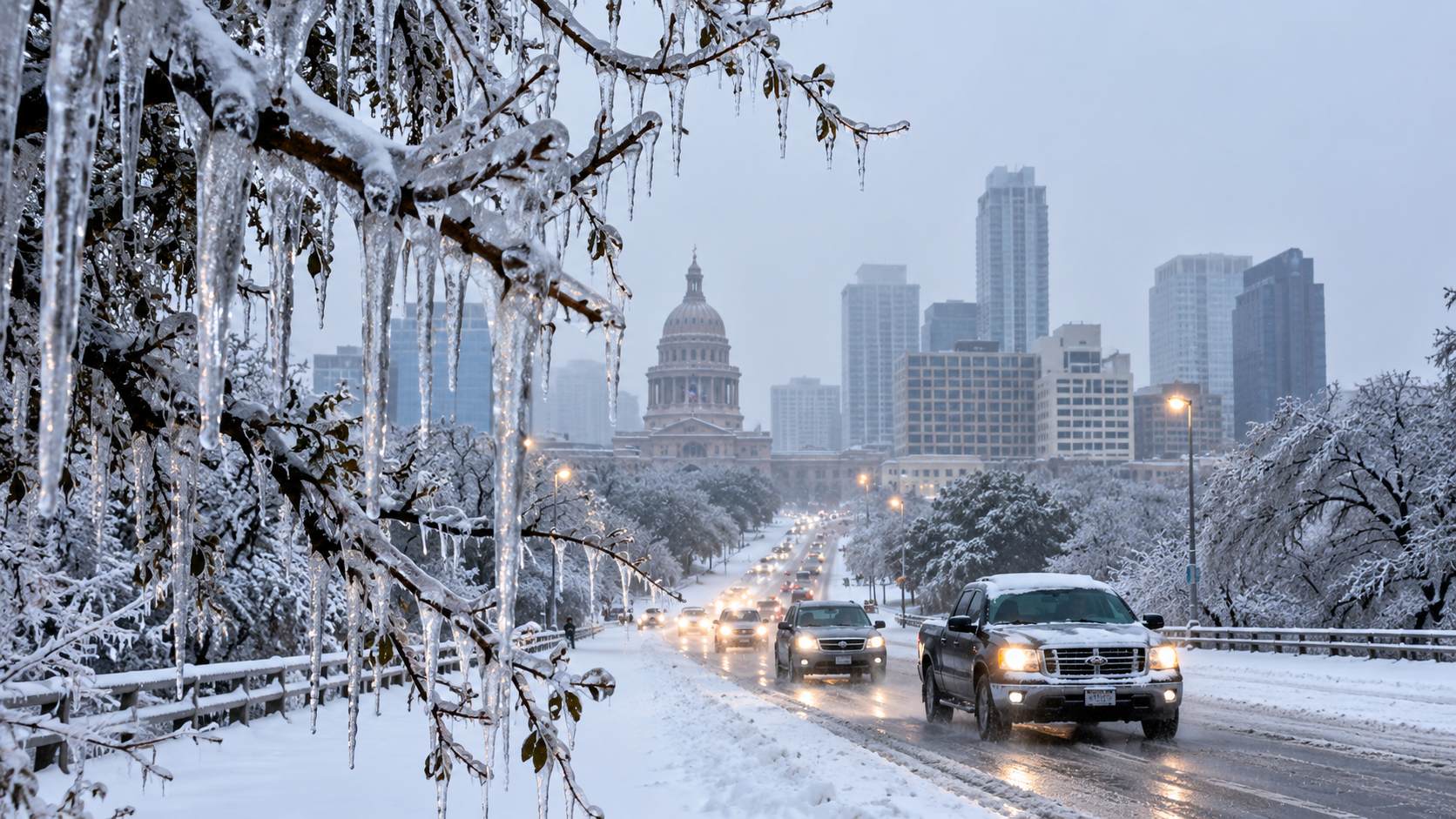
Climate normals describe an ordinary winter. They do not describe the coldest week that Texas can produce.
Strong Arctic air masses can travel deep into the state and push temperatures far below local averages. February 2021 remains the modern example most Texans remember, when prolonged freezing weather affected enormous parts of the state at once.
A rare event should not be confused with the normal winter climate, but it explains why winter preparation still matters in cities where average January afternoons sit comfortably above freezing.
A Few Hours Below Freezing and Several Days Are Very Different
A brief overnight freeze generally creates a different set of problems from an extended freeze.
Longer cold periods give pipes more time to freeze, keep ice on roads and bridges, increase heating demand and put more pressure on infrastructure. Homes built for a generally warm climate also face conditions they encounter infrequently.
Visitors should pay attention to the forecast rather than assuming a city will remain near its monthly average throughout a trip.
Does It Snow in Texas?
Yes, although the answer changes dramatically by region.
Amarillo has a normal annual snowfall of 17.2 inches. El Paso’s 1991-2020 normal is 2.8 inches per year, according to the National Weather Service.
Central and Southeast Texas receive much less. Snow in Houston is unusual enough to become an event people remember. Dallas sees winter precipitation more regularly, though ice and sleet can be more disruptive than snowfall totals suggest.
Ice Is Often the Bigger Travel Problem
Drivers moving to Texas from colder states sometimes focus on snow depth. North and Central Texas winter weather can cause trouble with far less accumulation.
Freezing rain creates a film of ice on elevated roads, overpasses and bridges. Temperatures may hover close to freezing, which allows melting and refreezing as conditions change.
Road closures and flight disruption can therefore occur during a winter event that would look modest on a snowfall map.
What Should Winter Visitors Pack?
There is no useful statewide packing list without knowing the destination.
| Destination | Useful Winter Clothing |
| Amarillo and Panhandle | Winter coat, layers, gloves and footwear suitable for freezing weather |
| Dallas/Fort Worth | Medium or heavy jacket plus layers for changing temperatures |
| Austin and San Antonio | Jacket and layers that can come off during warmer afternoons |
| Houston | Light or medium jacket with a warmer layer available during fronts |
| Brownsville and Lower Valley | Light jacket for many days, with warmer clothing for occasional cold spells |
Layers are more useful than choosing one heavy outfit for an entire Texas trip. Temperatures can differ greatly between morning and afternoon, and a cold front can change conditions during a multi-day visit.
When Is the Coldest Part of Winter?
January is the coldest month by normal temperatures across many Texas cities, although serious freezes can arrive in December or February.
March is already much warmer in most of the state, but late freezes remain possible in northern areas. Amarillo’s average last 32°F reading does not arrive until April 18.
Farther south, the effective winter season is shorter. Warm afternoons return earlier and freezing temperatures become much less common.
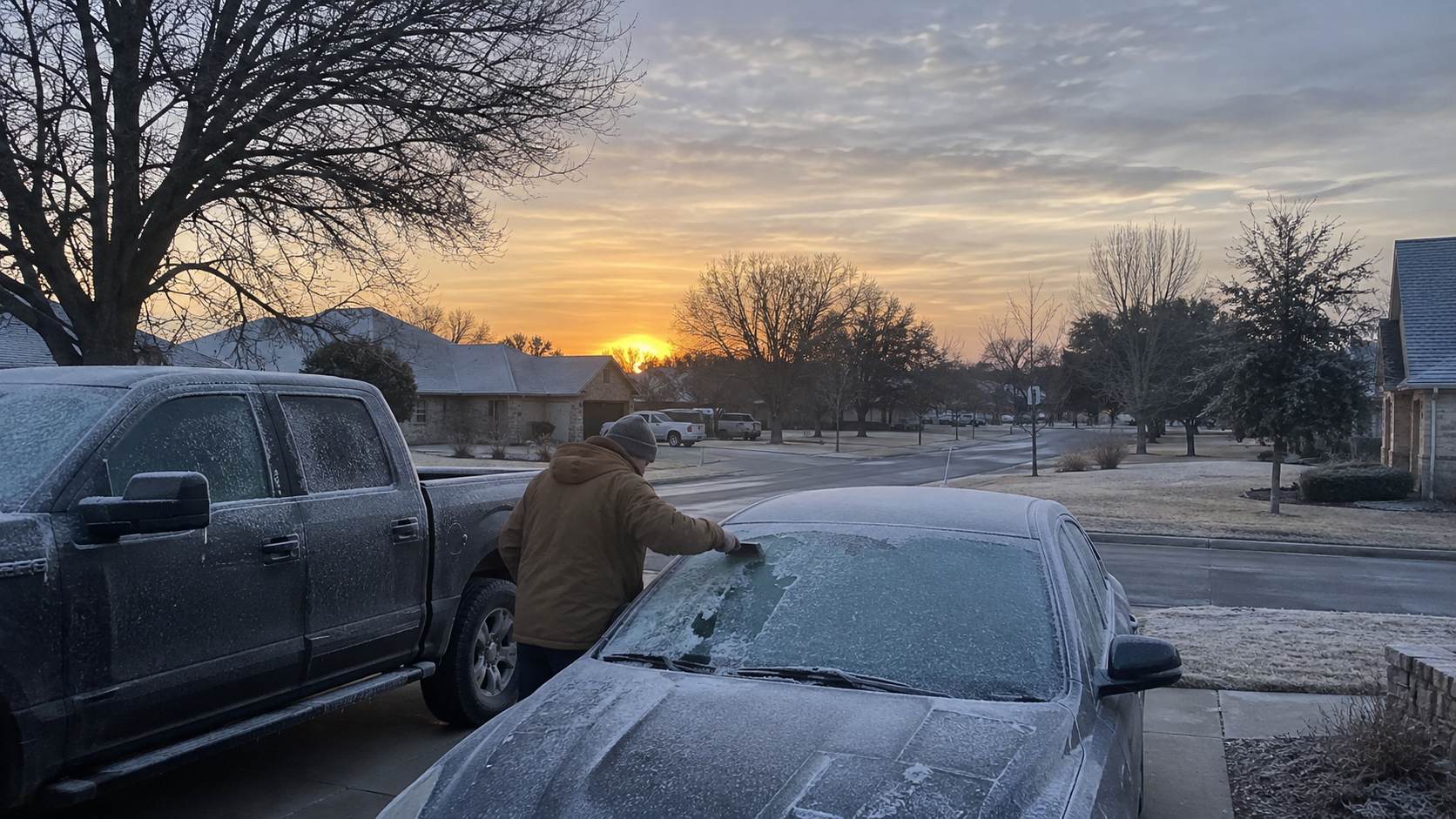
Texas Winter Is Mild in Some Places and Very Real in Others
The simplest picture of a warm Texas winter falls apart as soon as you compare Amarillo with Brownsville.
January nights average below 25°F in Amarillo and above 50°F in Brownsville. Dallas lands between those extremes and records dozens of freezes during a normal season. Austin and Houston spend much of winter above freezing but still face abrupt cold spells.
Residents need to prepare for local conditions rather than a statewide stereotype. Visitors have an easier job.
Check the forecast for the city you are actually visiting, pack enough layers to handle a sudden front and remember that Texas can serve up sunshine, wind, freezing rain and a 30-degree temperature change within the same winter trip.