
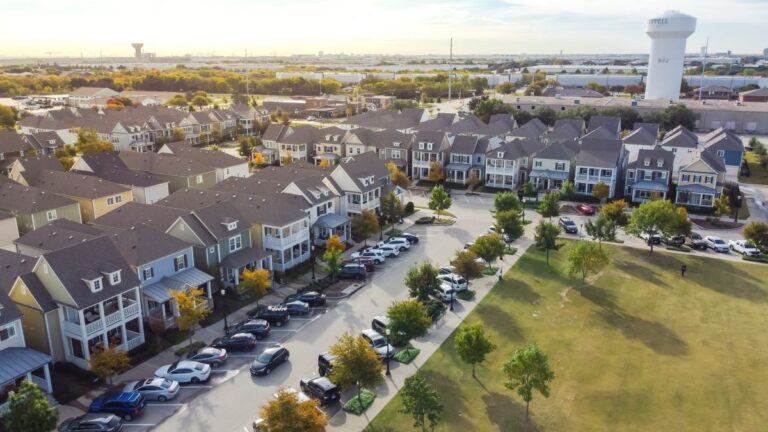
A neglected lawn, a leaking roof or a poorly planned renovation can cost Texas homeowners more than the price of repairs. When buyers notice problems, they may offer less money, request expensive fixes or decide to look elsewhere. Even small signs of neglect can change how people judge an otherwise attractive house.
Fortunately, some improvements are relatively simple. Trimming overgrown grass, adding fresh mulch and cleaning dirty walkways can quickly make your front yard look more appealing. You can also find local exterior cleaning services online.
For example, homeowners looking for pressure washing in Frisco TX can arrange professional cleaning for driveways, sidewalks and other outdoor surfaces without undertaking a major renovation.
Other mistakes are much more expensive to correct. Texas weather, soil conditions and local property rules create challenges that homeowners should address before they become serious problems.
1. Letting Your Front Yard Look Neglected
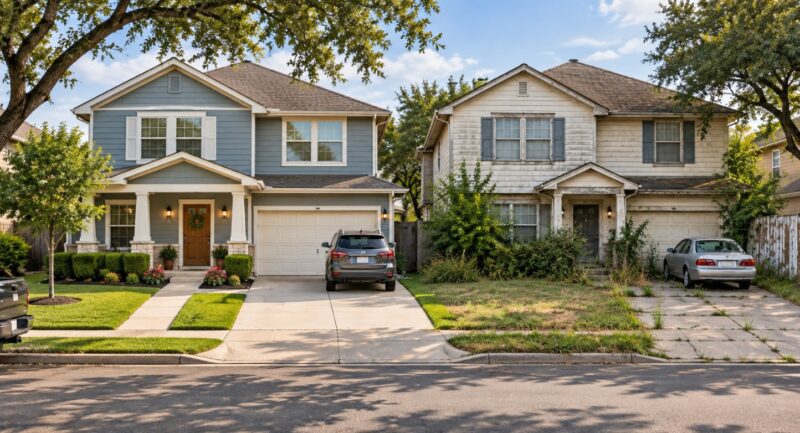
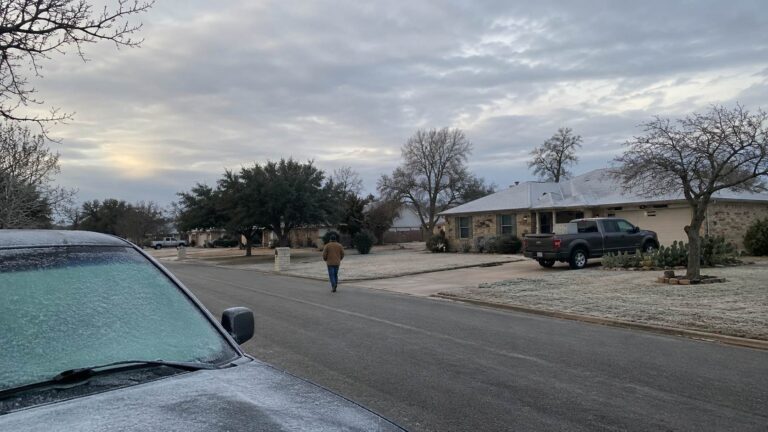
Picture two houses on the same street. Both have similar layouts and asking prices, but one has a neatly maintained lawn and clean entrance. The other has overgrown bushes, weeds growing through the driveway and a fence covered in peeling paint.
Which house would you want to visit first?
According to the National Association of Realtors, 97% of surveyed real estate professionals considered curb appeal important in attracting buyers. An untidy exterior can create concerns about maintenance before anyone enters the house.
Fortunately, improving the appearance of a property does not always mean spending thousands of dollars.
- Mow the lawn regularly and trim grass along walkways.
- Remove dead plants and replace damaged mulch.
- Prune bushes that block windows or the front entrance.
- Repair loose fence boards and damaged gates.
- Keep driveways, sidewalks and outdoor seating areas clean.
2. Ignoring Foundation Problems Until They Become Serious
A small crack in the wall might seem harmless. However, cracks that continue expanding, uneven floors and doors that suddenly stop closing properly can indicate movement beneath a house.
Foundation problems deserve particular attention in parts of Texas where expansive clay soils are common. Clay can shrink during dry weather and expand when moisture returns, placing stress on structures.
Homeowners should watch for several warning signs.
- Cracks that grow wider around doors and windows.
- Gaps appearing between exterior brickwork and window frames.
- Floors becoming noticeably uneven.
- Doors and windows becoming difficult to open.
- Soil pulling away noticeably near the foundation.
Regular maintenance matters because Texas weather can affect foundations, roofing, exterior materials and drainage systems throughout the year.
Repairing foundation movement can be expensive, and unresolved structural concerns may influence offers or financing decisions when selling.
3. Allowing Rainwater to Collect Around the House

After heavy rain, take a walk around your property. If large puddles remain beside the foundation or water flows toward the building, your drainage system may need attention.
Texas experiences everything from prolonged droughts to intense thunderstorms and tropical rainfall. Poor drainage can allow moisture to enter crawl spaces, garages and interior walls.
Water damage can also lead to damaged flooring, rotting wood and mold growth.
A few preventive measures can make a substantial difference.
- Clear leaves and debris from gutters.
- Keep downspouts directed away from the foundation.
- Repair low areas where water repeatedly collects.
- Check that landscaping does not direct runoff toward exterior walls.
- Investigate damp patches, musty odors and recurring water stains.
Flood history deserves attention as well. Homeowners can review their address using the FEMA Flood Map Service Center, although properties outside designated high-risk flood zones can still experience flooding.
4. Leaving Roof Damage Unrepaired After a Storm
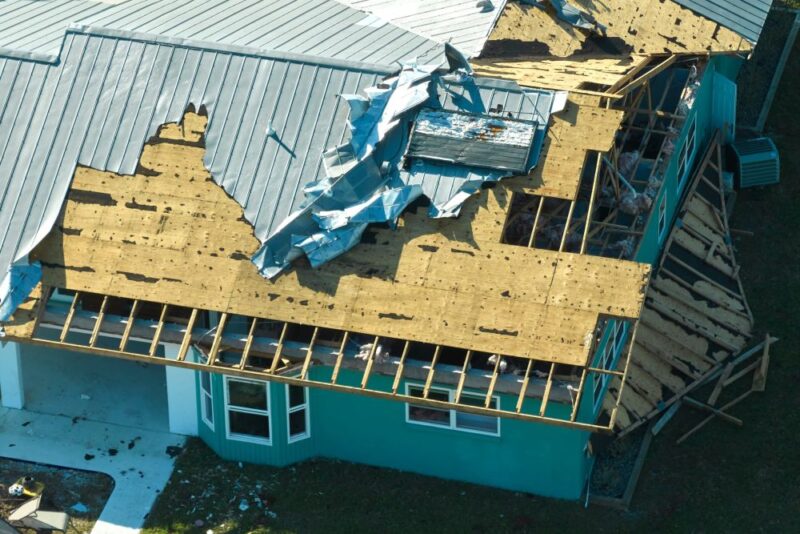
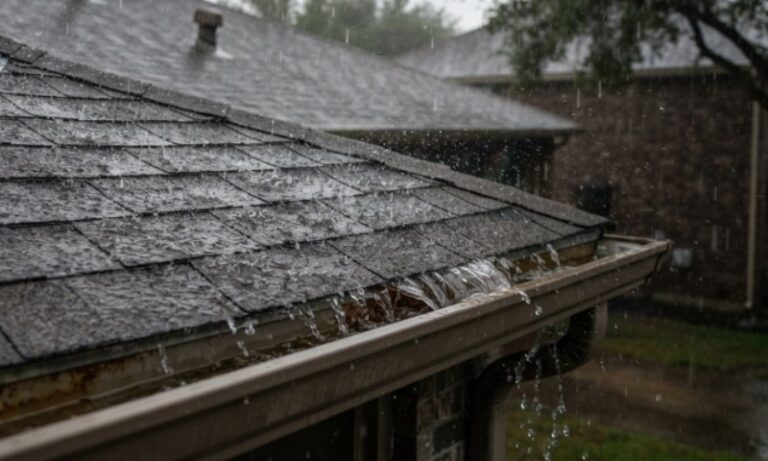
A roof does not have to leak dramatically to become a problem. Missing shingles, damaged flashing and small openings around roof penetrations can allow moisture to enter gradually.
Hailstorms and strong winds are familiar hazards in many Texas communities. Even when the roof appears intact from the driveway, damage may be present on shingles, vents or flashing.
After severe weather, look for shingles on the ground, dented gutters, loose roof materials and fresh water stains on ceilings. A professional inspection can identify problems that are difficult to see safely at ground level.
One mistake worth avoiding is painting over ceiling stains without finding the source of the moisture. Buyers may discover the damage during an inspection, and the underlying leak can continue damaging the property.
Keep records of roof repairs and replacements. Documentation can help answer buyer questions about the age and condition of the roofing system.
5. Neglecting Your Air Conditioning System
Imagine touring a house in Dallas during August and discovering that the air conditioner struggles to cool the living room. Even if the kitchen looks beautiful and the bedrooms are spacious, the cooling problem can make the property much less appealing.
Air conditioning is a major consideration for Texas homeowners. High summer temperatures place substantial demands on cooling systems, and neglected equipment may struggle with performance and efficiency.
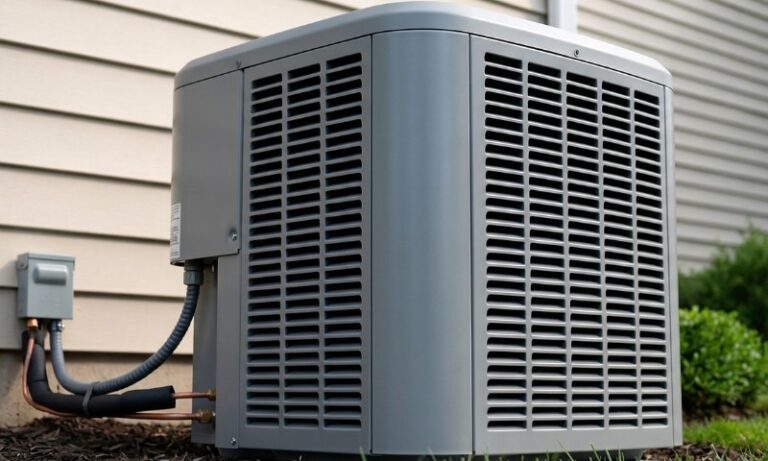
Regular maintenance should include changing air filters as needed, keeping the outdoor condenser clear of debris and arranging professional servicing when appropriate.
Other warning signs include unusual noises, water collecting near the indoor unit, weak airflow and rooms that remain noticeably warmer than the rest of the house.
Before listing a property, have an aging or unreliable system assessed by an HVAC professional. A documented repair is generally easier to explain to buyers than an air conditioner that fails during their inspection.
6. Spending Too Much on Renovations Buyers May Not Want
Renovating a house can improve its value, but expensive improvements do not automatically produce equally large returns.
Consider a homeowner who spends $60,000 installing an elaborate custom kitchen in a neighborhood where comparable homes sell with relatively simple interiors. Buyers may appreciate the renovation without being willing to pay an additional $60,000 for it.
Personal preferences can also become expensive selling problems. Removing a bedroom to create a giant walk-in closet, installing highly unusual finishes or replacing a functional backyard with an elaborate entertainment area may limit the number of interested buyers.
The 2025 Remodeling Impact Report considers both homeowner satisfaction and estimated cost recovery for renovation projects. The findings reinforce the importance of evaluating improvements individually rather than assuming every renovation increases resale value by its full cost.
Before starting a major project, compare recently sold properties in your neighborhood. Look at their size, condition, finishes and selling prices.
7. Making Changes Without Checking Permits and HOA Rules

A garage conversion might seem like an easy way to gain another bedroom. Building a backyard office or enclosing a patio can appear equally attractive.
However, some improvements require permits, inspections or approval under local building regulations. Requirements vary between Texas cities and according to the type of work involved.
Homeowners associations may impose additional restrictions on fences, exterior paint, landscaping and structural changes.
Problems can arise when a seller describes an enclosed garage as additional living space but cannot provide documentation showing that the conversion was completed properly.
Buyers may question the quality of the work, and lenders or appraisers may not treat unpermitted areas in the same way as approved living space.
Before starting construction, contact the local building department and review applicable HOA requirements. Keep permits, inspection reports and contractor invoices together for future reference.
8. Hiding Previous Damage or Failing to Disclose Known Problems
A fresh coat of paint can improve an old room, but it cannot erase the history of a serious water leak or foundation repair.
Some homeowners worry that revealing past damage will scare buyers away. However, failing to disclose known material problems can create much more serious consequences.
Under Texas Property Code Section 5.008, many sellers of residential property must provide a written disclosure describing known conditions affecting the home. The Texas Real Estate Commission disclosure form covers matters including previous structural repairs, water damage and other property conditions.
Legal exceptions exist, so sellers should confirm which disclosure requirements apply to their transaction.
Past repairs do not automatically make a property undesirable. A professionally repaired foundation with supporting documents may be easier for a buyer to evaluate than an unexplained crack or missing repair history.
Keep records of major work, including roofing, plumbing, foundation and water damage repairs. Accurate information helps buyers evaluate the property and can reduce the likelihood of disputes after a sale.
Small Repairs Today Can Prevent Expensive Selling Problems Later
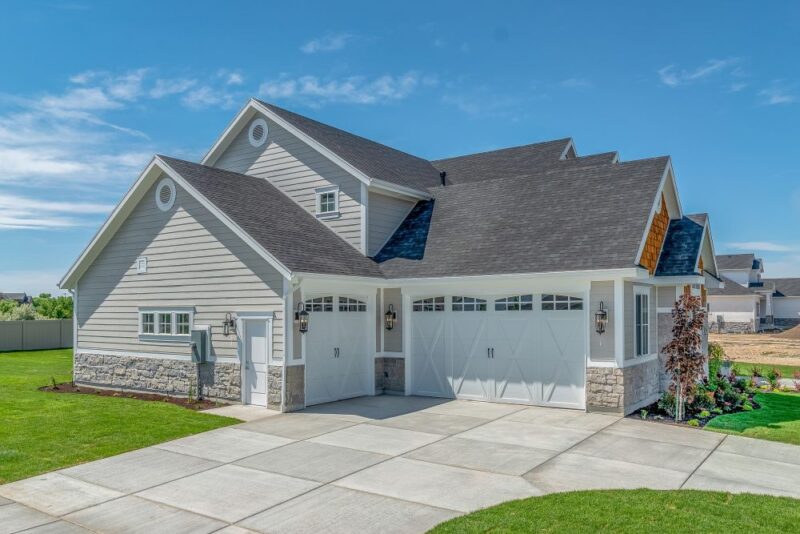
Not every improvement deserves the same priority. A dirty driveway can be cleaned relatively quickly, but a drainage problem or damaged foundation should receive attention before cosmetic upgrades.
Start with anything that could cause further damage, such as active leaks, standing water and structural warning signs. Next, address equipment problems and necessary repairs. Finish with inexpensive improvements that make the property more attractive, including lawn maintenance, exterior cleaning and minor painting.