

Texas is not an easy market. Competition is strong, labor can be tight, insurance costs are rising in some sectors, and fast-growth suburbs often have permitting or infrastructure strain.
Still, several signals point toward room for disciplined operators. The Dallas Fed forecast released in May 2026 projected Texas job growth of 1.8% for the year, equal to about 260,100 additional jobs.
Texas Workforce Commission data also showed the state added 46,800 nonfarm jobs in March 2026, reaching 14,403,500 total nonfarm jobs.
Tax structure also matters. Texas has no state income tax, and the Comptroller notes that, beginning January 1, 2026, businesses with annualized total revenue at or below $2.65 million do not owe franchise tax.
Quick Look at the Opportunity Map
| Business Idea | Strongest Texas Markets | Why It Matters In 2026 |
| Home repair and maintenance | DFW, Houston, Austin suburbs, San Antonio | Population growth and aging housing stock |
| HVAC and energy upgrades | Statewide, especially hot metros | Heat, power demand, insurance pressure |
| Childcare and after-school care | Suburbs and workforce-heavy towns | Chronic shortage in many areas |
| Senior support services | San Antonio, Rio Grande Valley, suburbs | Aging population and family caregiver strain |
| Trade support for data centers | North Texas, San Antonio, Central Texas | Electrical and technical labor demand |
| Water-smart landscaping | Central Texas, Hill Country, North Texas | Drought planning and outdoor restrictions |
| Mobile food and catering | Industrial corridors, events, suburbs | Large workforce clusters and tourism |
| Local tourism services | Hill Country, Gulf Coast, border cities | Visitor spending remains large |
| Logistics support services | Houston, Laredo, DFW, border corridors | Trade, ports, and warehousing demand |
1. Home Repair And Preventive Maintenance
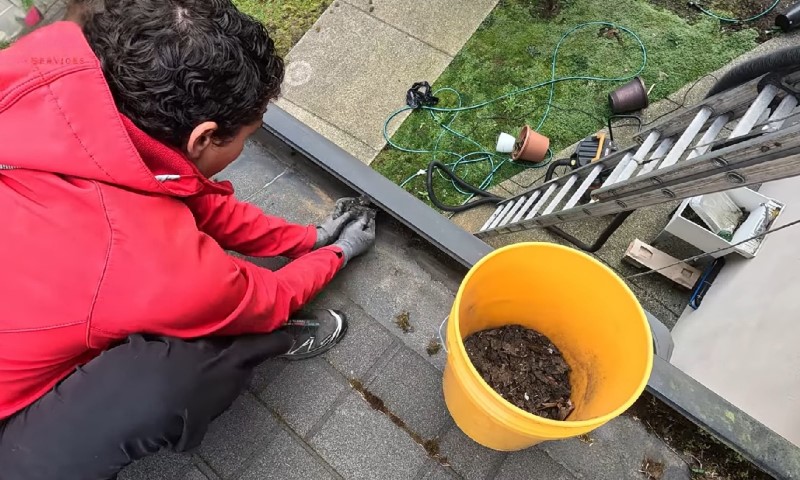
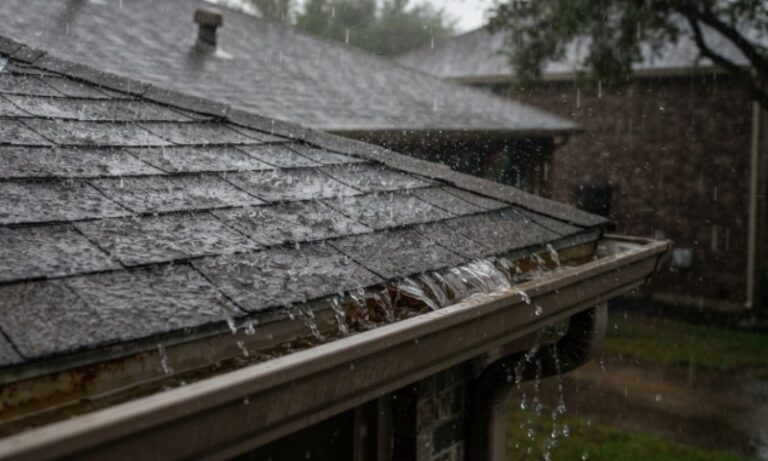
A home repair business remains one of the most realistic Texas small business ideas because demand comes from everyday friction: clogged drains, loose fences, worn decks, storm damage, appliance issues, drywall cracks, and rental turnover.
Fast-growing suburbs around Fort Worth, New Braunfels, Leander, Celina, Frisco, Katy, Conroe, and Round Rock are full of newer homes, yet newer does not mean maintenance-free.
Brand presentation also matters in home services because homeowners are often choosing based on trust before they ever see the work.
A new repair company in Tarrant County may benefit from a Fort Worth branding agency that can turn a basic service list into a clearer local promise.
Builders hand off neighborhoods quickly, homeowners settle in, and repair lists begin.
A focused operator can start with a narrow service menu:
- Fence repair and staining
- Gutter cleaning
- Caulking and weather sealing
- Rental move-out repairs
- Door, lock, and fixture replacement
The smarter play is recurring maintenance. A quarterly home checkup plan for busy families, landlords, or out-of-state property owners can smooth cash flow and reduce constant customer hunting.
2. HVAC, Insulation, And Energy-Efficiency Services
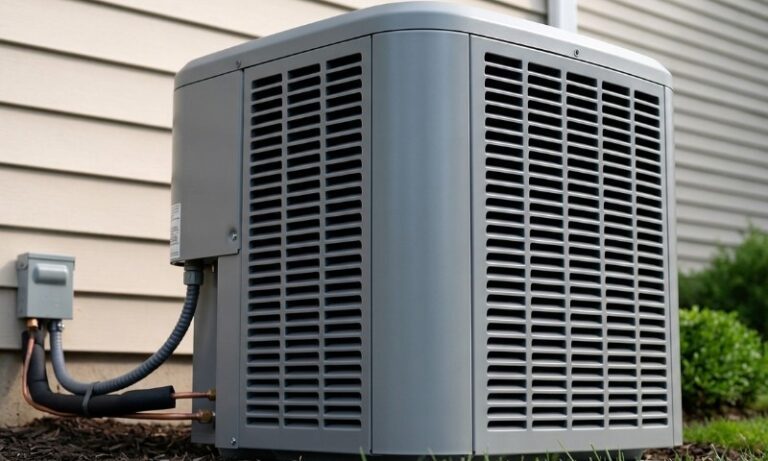
Texas heat turns comfort into a necessity. HVAC repair is competitive and often license-heavy, yet smaller adjacent services can still be attractive: duct sealing, filter subscription delivery, attic insulation coordination, smart thermostat setup, and home energy audits.
ERCOT has warned of major load growth tied to large power users, population growth, and industrial demand. Reuters reported in April 2026 that power demand across ERCOT is rising from data centers, industrial users, and population growth, while transmission limits remain a concern.
For small operators, the angle is practical: help households reduce bills and avoid peak-season breakdowns. A business built around pre-summer tuneups, air-flow checks, dryer vent cleaning, and insulation referrals can fit both homeowners and small commercial clients.
3. Licensed Childcare, Micro-Care, And After-School Programs

Childcare may be one of the most difficult businesses on the list, yet also one of the clearest need-based opportunities. Texas families keep moving into suburbs where care supply often lags behind rooftops.
Children At Risk reported in April 2026 that Texas had nearly 995,000 childcare seats as of September 2025, yet seat growth lagged demand, with 413 overall childcare deserts and 64% classified as chronic childcare deserts.
The opportunity is broader than a full daycare center. Potential models include:
- Licensed home-based care
- After-school pickup and homework clubs
- Weekend care for nurses, warehouse staff, and hospitality workers
- Summer camps with STEM, sports, art, or language themes
Compliance, staffing, insurance, and trust are everything. A provider who runs clean operations, communicates well, and offers dependable hours can stand out quickly.
4. Senior Errand, Companion, And Aging-In-Place Services
Texas is still a relatively young state compared with many others, but its older population is growing. Census QuickFacts lists people 65 and older at 13.9% of the Texas population, while Texas Tribune reporting based on Census data noted that Texans age 65 and older grew faster than any other age group from 2023 to 2024.
Small businesses can serve seniors without becoming medical providers. Non-medical services might include grocery runs, appointment rides, light housekeeping, technology help, medication reminder setup, home safety checks, and coordination with relatives.
Aging-in-place upgrades also deserve attention. Grab bar installation, better lighting, threshold ramps, non-slip flooring referrals, and bathroom safety assessments meet a real household need. Licensing boundaries matter, especially around medical care, so service scope must be precise.
5. Electrical, Low-Voltage, And Trade Support Around Data Centers

Texas data center growth is reshaping the skilled-trades market. BlackRock announced a $30 million investment in May 2026 to train more than 12,000 Texans for electrical careers, citing rapid growth and rising workforce needs.
Small businesses do not need to build data centers to benefit. Growth creates demand for subcontractors, staffing support, safety training, site cleanup, temporary power coordination, low-voltage cabling, security camera installation, firestopping support, and tool rental.
The best entry point depends on credentials. Licensed electricians can pursue higher-value contracts. Non-licensed founders may focus on support services, compliance paperwork, procurement, delivery, or jobsite logistics.
6. Water-Smart Landscaping And Irrigation Audits
Traditional lawn care is crowded. Water-smart landscaping is more timely.
The Texas Water Development Board describes water conservation plans as strategies for reducing water use, reducing loss or waste, improving efficiency, and increasing recycling or reuse.
Municipal conservation rules and drought planning make efficient irrigation more valuable for homes, HOAs, and small commercial properties.
A small business can specialize in:
- Irrigation leak checks
- Native plant bed conversion
- Drip irrigation setup
- Smart controller installation
- Mulch refresh and soil improvement
- HOA-friendly low-water landscape plans
Central Texas, North Texas, and Hill Country communities are especially strong candidates because growth and water pressure collide there often.
7. Mobile Food, Meal Prep, And Jobsite Catering
Texas food culture gives small operators room, but the better 2026 angle is not another generic taco truck. It is location discipline.
Large job sites, industrial parks, warehouses, hospitals, school districts, and suburban youth sports clusters all create predictable demand.
A breakfast taco route serving construction crews in New Braunfels or a healthy meal-prep service for nurses in Houston can be more grounded than chasing random foot traffic.
Tourism also helps. The Governor’s Office reported that travel in Texas generated $97.5 billion in visitor spending in 2024, creating a $199.5 billion economic impact and supporting 1.3 million Texas jobs.
A food business still needs strong margins, permitting, reliable prep space, and tight inventory control. The operators who survive know exactly where their customers will be before the food is cooked.
8. Local Tourism Services And Experience-Based Businesses
Texas tourism is not limited to Austin, San Antonio, and Dallas. Hill Country towns, Gulf Coast communities, Route 66 stops, state parks, wineries, barbecue destinations, and border cities all support smaller experience businesses.
Good ideas include guided history walks, private wine tours, fishing-trip coordination, family photo tours, bilingual visitor services, short-term-rental guest packages, e-bike rentals, and local event shuttles.
The strongest version has a narrow audience. A Fredericksburg bachelorette itinerary service, a Corpus Christi family beach gear rental business, or a Laredo cultural food tour can market more clearly than a broad “Texas travel service.”
9. Logistics Support, Courier Routes, And Fleet Services

Texas trade remains a major advantage. The Office of the U.S. Trade Representative reported Texas as the largest state exporter of goods in 2025, with $450.3 billion in goods exports. The Governor’s Office also notes that Texas has the largest U.S. rail and road infrastructure and the most U.S. ports of entry.
That creates opportunities below the level of big freight carriers. Small firms can serve local businesses with same-day courier routes, warehouse overflow help, pallet pickup, fleet washing, mobile tire service, dispatch support, customs paperwork assistance, and Spanish-English trade support.
Houston, Laredo, DFW, El Paso, McAllen, and Corpus Christi all have logistics angles, but each market has its own rhythm. Border trade is not the same as port work. Airport courier service is not the same as oilfield parts delivery.
What Makes a Texas Business Idea Strong In 2026?
A promising idea should meet at least 3 tests.
First, it should connect to a measurable Texas trend: population growth, aging households, construction, trade, tourism, childcare gaps, heat, water stress, or data infrastructure.
Second, it should solve a frequent problem. Businesses built around rare emergencies can work, but recurring demand is usually safer for new founders.
Third, it should have a clear local wedge. “Home services in Texas” is too broad. “Quarterly maintenance plans for landlords in fast-growing Montgomery County” is easier to sell.
Summary
The best small business ideas in Texas for 2026 are not abstract startup fantasies. They sit close to daily life: homes, heat, kids, aging parents, job sites, water, food, visitors, and freight.
Texas growth creates openings, but growth alone does not guarantee profit. The winners will be specific, licensed where needed, locally focused, and disciplined enough to serve one clear customer better than larger competitors.