
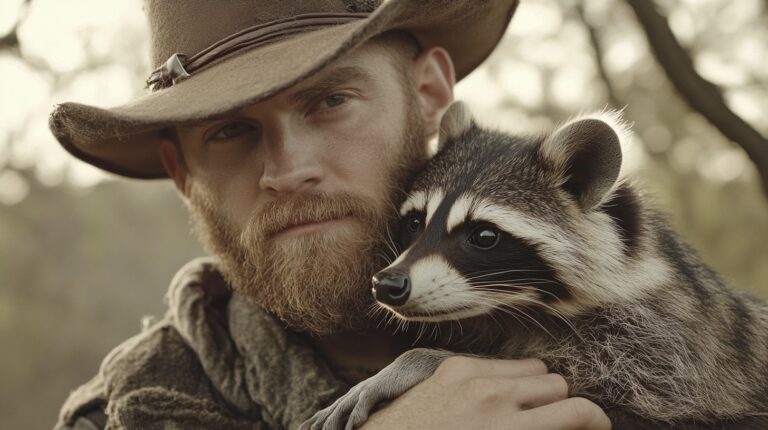
Owning exotic pets often sparks curiosity, and raccoons are no exception.
Their intelligence and playful nature may tempt some people to consider keeping them as pets. However, Texas raccoon ownership laws are strict, and these animals are not legal pets under most circumstances.
The purpose here is to clarify Texas laws regarding raccoon ownership, explain the reasons for these restrictions, and outline legal alternatives for people who love wildlife and wish to interact with raccoons responsibly.
Is It Legal to Own a Raccoon in Texas?
Texas law does not allow individuals to keep raccoons as pets.
The Texas Parks and Wildlife Department (TPWD) categorizes raccoons as fur-bearing animals, which fall under regulations designed to protect both wildlife and the public.
Private ownership of raccoons without a special wildlife permit is prohibited under these laws.
Legal Basis for the Prohibition
Several legal codes outline the restrictions on raccoon ownership in Texas, ensuring that these animals are not kept in domestic settings:
Texas Parks and Wildlife Code, Title 5, Subtitle B, Chapter 63:
- Defines raccoons as wildlife rather than domestic pets.
- Imposes restrictions on capturing, owning, or selling raccoons without authorization.
- Enforces conservation efforts by preventing the removal of wild animals from their natural habitats.
Texas Administrative Code, Title 31, Part 2, Chapter 65:
(a) No person other than the holder of a fur-bearing animal propagation license may possess a live fur-bearing animal at any time, except as otherwise provided in this chapter.
(b) A propagation license may be issued following an initial facility inspection by the department. Additional inspections may be made at department discretion.
(c) The holder of a fur-bearing animal propagation license shall provide the following for each animal in possession:
(1) a sufficient supply of fresh water at all times;
(2) shelter from heat and inclement weather; and
(3) an enclosure of at least 20 inches in height and eight square feet in area. Enclosures shall be cleaned daily. A fur-bearing animal may be confined in an enclosure of no less than 20 inches in height and four square feet in area on a temporary basis for transportation purposes. For the purposes of this subsection, temporary basis means no more than 12 hours in any 24-hour period.
(d) Offspring of fur-bearing animals held under a propagation permit may be kept with their parents or siblings for up to 120 days from birth in an enclosure meeting the height and area requirements for a single animal.
(e) Live fur-bearing animals may be taken and possessed for three days or less for instructional or demonstration purposes pursuant to a letter of authorization from the wildlife division.
(f) No person shall take a fur-bearing animal from the wild under a propagation permit except during the season provided for commercial harvest in § 65.375(b) of this title (relating to Open Seasons; Means and Methods).
Consequences of Illegal Ownership
Keeping a raccoon as a pet in Texas carries legal risks. Authorities take illegal wildlife possession seriously due to the dangers associated with keeping wild animals in private homes.
Under the Texas Parks and Wildlife Code, unlawful possession of a wild animal, including raccoons, is generally charged as a Class C Parks and Wildlife misdemeanor for a first offense. A Class C offense carries a fine of up to $500 per violation, and each animal may be treated as a separate offense.
If aggravating factors are present, such as prior violations, illegal sale, transport across county or state lines, or exposure of the public to disease the charge can escalate to a Class B misdemeanor, which carries:
| Offense Level | Maximum Fine | Possible Jail Time |
| Class C misdemeanor | Up to $500 | No jail |
| Class B misdemeanor | Up to $2,000 | Up to 180 days |
Aggravating factors may include failure to report a bite, attempting to conceal the animal, or possession after a formal warning.
Mandatory Confiscation of the Animal
Texas law allows and requires authorities to seize raccoons held illegally, regardless of the owner’s intent or how long the animal has been in captivity. Confiscated raccoons are not returned to the owner.
In practice, confiscated animals are usually:
- Transferred to a licensed wildlife rehabilitator if release is medically and behaviorally possible
- Humanely euthanized if rabies exposure, habituation, or stress makes release unsafe
Once a raccoon has lived in a domestic setting, successful reintroduction into the wild is often not possible, which is one reason Texas discourages private possession altogether.
@toripeebs Would You Have a Pet Raccoon?🤔🖤🦝 #raccoon #raccoons #raccoonsoftiktok #trashpanda #trashpandas🖤 #trashpandas #trashpandasoftiktok #tanuki #tomnook #animalcrossing #animalcrossingnewhorizons #wildlife #wildliferehab #raccoonrehab #raccoonrescue #wildliferescue #raccoonbaby #babyraccoon #LikeAMonarch #ratonlaveur #たぬき #アライグマ #🦝 #🗑🐼 ♬ Monkeys Spinning Monkeys – Kevin MacLeod & Kevin The Monkey
Why Are Raccoons Prohibited as Pets?

Texas restricts raccoon ownership for several reasons, primarily concerning public health, animal behavior, and environmental impact.
These regulations are designed to protect both humans and the ecosystem, as raccoons present significant challenges that make them unsuitable as pets.
Why a Rabid Raccoon in San Marcos Explains Texas’s Strict Wildlife Laws
A raccoon discovered earlier this year in a residential area of San Marcos recently tested positive for rabies, according to local authorities, underscoring the public health concerns tied to human contact with wild animals.
City officials reported that Animal Services received a call regarding an ill raccoon in the Coers Circle neighborhood, located roughly a quarter mile northwest of the Texas State University campus. Animal protection officers responded to the report, safely captured the animal, and submitted it to a Texas Department of State Health Services laboratory, where rabies infection was confirmed.
The individual who reported the raccoon and had physical contact with the animal was notified of the test results and has since sought medical evaluation, city officials confirmed.
In response, the city reiterated its guidance urging residents to avoid handling wildlife under any circumstances. Officials advised that sightings of sick or injured wild animals, as well as any physical contact with wildlife, should be reported immediately to San Marcos Animal Services.
City officials emphasized that rabies is a fatal viral disease affecting mammals, including wildlife, domestic animals, and humans. The virus is transmitted through saliva, most commonly via bites or scratches, and is almost always fatal once symptoms appear. Prompt post-exposure treatment is critical to prevent infection.
Authorities also reminded pet owners of the importance of keeping rabies vaccinations up to date, noting that vaccination remains the most effective defense against transmission between wildlife and household animals.
Public Health Concerns
One of the biggest concerns is disease transmission. Raccoons are known carriers of multiple illnesses that can be passed to humans and pets, with some posing life-threatening risks.
Raccoons are among the top carriers of rabies in North America. Even those raised in captivity can be infected without showing immediate symptoms. A single bite or scratch can transmit the virus, requiring urgent medical intervention.
Baylisascaris is a parasite that can be found in raccoon feces, and exposure to contaminated areas may result in severe neurological damage if ingested by humans or animals.
A bacterial infection that spreads through raccoon urine, potentially leading to kidney damage, liver failure, or even death in severe cases.
Contact with raccoons or their waste can expose people to harmful bacteria, increasing the risk of food poisoning or other gastrointestinal illnesses.
Texas enforces strict regulations to minimize these threats, as rabies outbreaks and other zoonotic diseases linked to wild animals have led to public health emergencies in various regions.
How Raccoons Compare to Other Unusual Pets
Raccoons often get grouped with other exotic or semi-wild animals that people sometimes attempt to domesticate. However, most of these creatures present similar challenges.
| Animal | Legality in Texas | Behavioral Traits | Suitability as Pet |
| Raccoon | Illegal | Intelligent, destructive, unpredictable | Unsafe and unlawful |
| Skunk | Legal with wildlife permit | Can be friendly when descented | Moderate difficulty |
| Fox (Fennec/Red) | Illegal | Requires large enclosure, high energy | Poor house pet |
| Sugar Glider | Legal | Nocturnal, social, requires pair housing | Needs experience |
| Hedgehog | Legal | Quiet, shy, easy to maintain | Suitable for beginners |
Compared to these species, raccoons are far more destructive, territorial, and difficult to manage, making them an especially poor choice for private ownership.
Wild Nature & Behavioral Issues
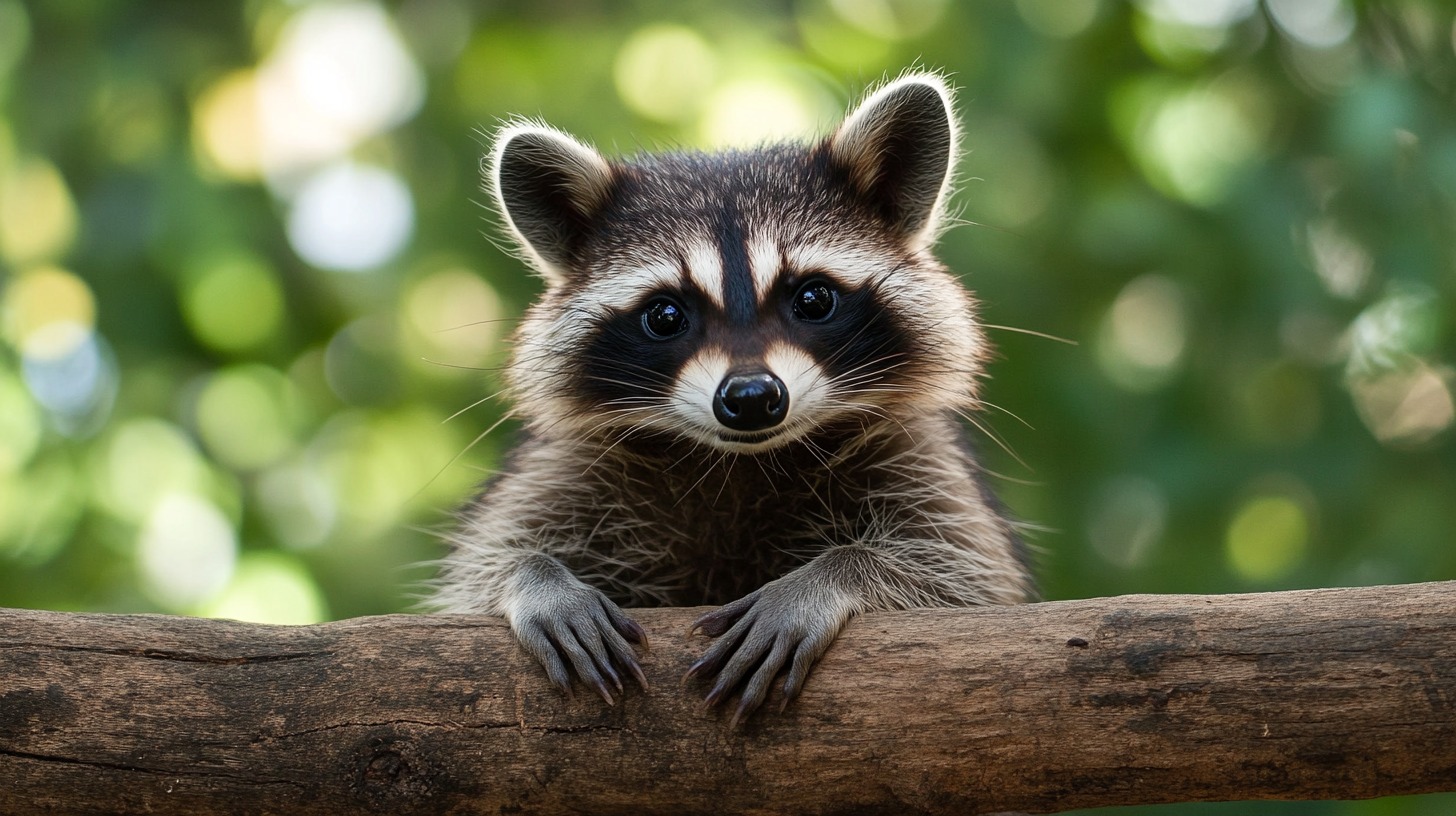
Even when raised by humans, raccoons do not become domesticated. Their intelligence allows them to adapt to various environments, but their instincts remain intact, making them unpredictable and potentially dangerous as household pets.
While raccoons may appear friendly as babies, they often become aggressive with age, especially during mating seasons or when startled. A raccoon that once played affectionately can suddenly scratch or bite, posing a serious risk to owners.
Raccoons are notorious for chewing through wires, shredding furniture, and knocking over household items. Their dexterous paws allow them to open cabinets, unlatch doors, and access areas most pets cannot reach.
Unlike dogs or even some exotic pets, raccoons are nearly impossible to house-train. They have erratic bathroom habits and may mark territory indoors, creating sanitation issues.
Even hand-raised raccoons can revert to wild instincts, creating safety hazards for owners, children, and other pets. These challenges contribute to their classification as wild animals under Texas law.
Exceptions to the Law
Although private ownership of raccoons is prohibited, there are specific exceptions under Texas law. These exemptions apply to individuals and organizations with the appropriate permits and responsibilities.
Wildlife rehabilitators are among the few authorized to handle raccoons. These professionals care for injured, sick, or orphaned animals to release them back into the wild. They must obtain licenses through the Texas Parks and Wildlife Department, ensuring they meet strict guidelines for proper care and rehabilitation.
Zoos and educational institutions may also keep raccoons, but only under regulated conditions. Facilities housing raccoons for public education or conservation efforts must meet state requirements, including enclosure specifications and veterinary care standards.
Scientific research facilities sometimes receive permission to study raccoons, particularly in fields related to disease research or behavioral studies. These organizations operate under strict guidelines to prevent improper handling or mistreatment of the animals involved.
Raccoon Ownership Laws in Other States
While Texas bans raccoons as pets, laws vary widely across the United States:
State
Raccoon Ownership Status
Permit Requirements
Texas
Illegal
No private permits allowed
Florida
Legal with Class III Wildlife Permit
Must prove caging and care standards
Oklahoma
Partially legal
Requires a wildlife rehabilitation or breeder permit
California
Illegal
Complete ban on raccoon and skunk ownership
Arkansas
Legal with a permit
Annual inspection by state wildlife officials
Indiana
Restricted
Only wildlife rehabilitators may keep raccoons temporarily
These differences show how state wildlife policies reflect local ecosystems, disease risks, and conservation priorities. In short, Texas maintains one of the strictest stances to protect its native wildlife and prevent zoonotic disease outbreaks.
Frequently Asked Questions (FAQ)
The Bottom Line
Texas law prohibits raccoon ownership to protect both the animals and the public. Regulations focus on health concerns, unpredictable behavior, and environmental risks.
While private ownership is not an option, those interested in raccoons can support wildlife rescue organizations or observe these animals in their natural habitat.
Adhering to legal guidelines ensures both public safety and the well-being of wildlife populations.