
Houston Councilmember Alejandra Salinas has proposed an ordinance that would require landlords to provide refrigerated air conditioning in rental homes for the first time in city history.
Supporters describe reliable cooling as a basic health-and-safety need in a city where prolonged summer heat can make indoor conditions dangerous.
Renters with limited income, older adults, and people with medical conditions can face added risks when their homes lack adequate cooling.
Approval would create a citywide cooling standard and end a long-standing exemption that currently allows some rental properties to operate without refrigerated air.
What the Proposal Would Require
Houston renters deserve a right to air conditioning.
This 7/13 Day, I’m introducing an ordinance to require working A/C in all rental properties as a basic health and safety habitability standard. Thank you to Council Members @SallieAlcorn, @MarioForHouston, and @PollardForHTX… pic.twitter.com/BbhjnPaY7R
— Alejandra Salinas (@salinasforhtx) July 13, 2026
Landlords would not necessarily need to install central air in every property. Several types of cooling equipment could satisfy the proposed rule:
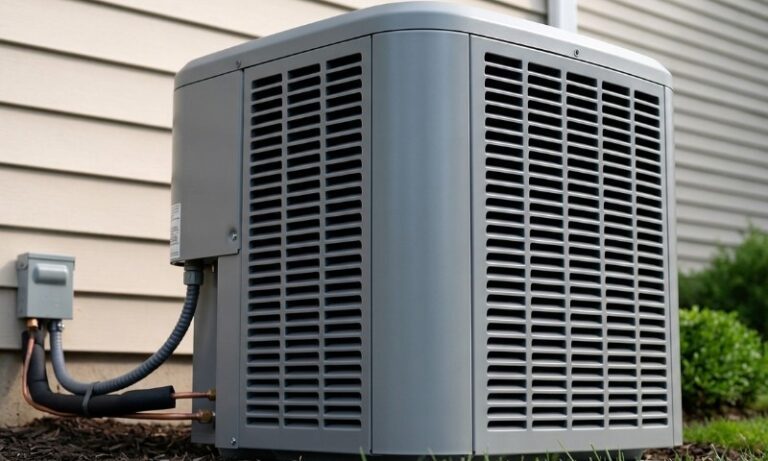
- Central air-conditioning systems
- Window-mounted air conditioners
- Portable air conditioners
- Other equipment approved under city standards
Property owners would receive 90 days to correct violations before city fines could apply.
Such a period would give landlords time to repair existing systems, install new equipment, or provide another approved cooling option.
City standards would also help define what counts as adequate air conditioning. A single small unit may not meet the requirement in a large home if it cannot cool the living space to the required temperature.
Concerns From Landlords
Landlords and property-rights groups are expected to oppose the proposal because of installation, maintenance, repair, and compliance costs.
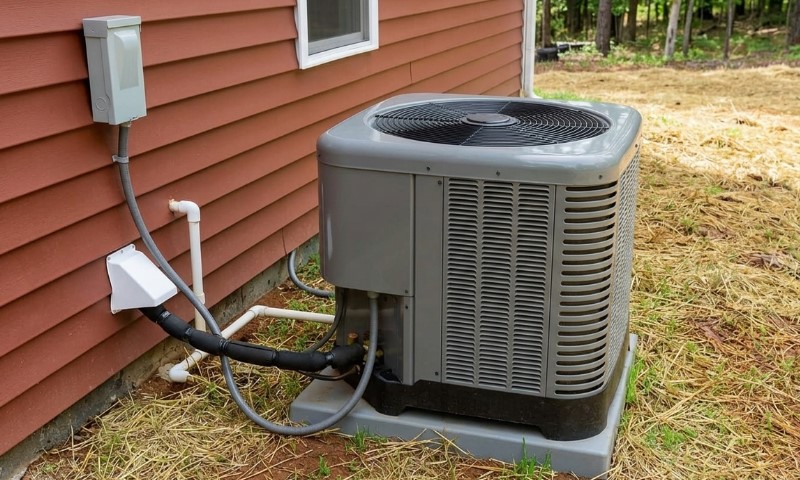
Older rental properties may require electrical upgrades before several window units or a central system can operate safely. Equipment costs could also be substantial for owners managing multiple homes or large apartment buildings.
Potential expenses could include more than the price of an air conditioner:
- Electrical panel upgrades
- New wiring or dedicated circuits
- Installation labor
- Routine maintenance
- Emergency repairs
- Replacement of failed equipment
Some property owners may argue that added expenses could result in higher rents.
Texas Housers representative Julia Orduña acknowledged that concern but said no supporting data has been presented based on cities with similar requirements.
Houston’s proposed standard would be stricter in some conditions because it calls for a maximum of 80 degrees or a reduction of at least 20 degrees compared with outdoor temperatures.
Readers comparing rental conditions, housing costs, climate, and everyday life in the two cities can review this detailed Dallas vs Houston comparison.
Debate is likely to focus on cost, enforcement, available assistance for smaller landlords, and protections against rent increases or tenant displacement.
Why the Change Is Being Proposed
View this post on Instagram
Current Houston rules allow landlords to avoid providing refrigerated air when rental homes have screened windows and doors.
Salinas’ proposal would remove that window screen exemption.
Open windows and fans may offer limited relief, but they often cannot control indoor temperatures during periods of extreme heat and high humidity.
Several other conditions can also make open windows an unsuitable cooling method:
- Outdoor air pollution can enter the home.
- Insects can pass through damaged or poorly fitted screens.
- Security concerns may prevent tenants from leaving windows open.
- Certain medical conditions can make sustained heat exposure especially dangerous.
About 20,400 renter households across the Houston metropolitan area lacked air conditioning under estimates included in the 2023 American Housing Survey. ABC13 reported a regional figure of nearly 23,000 homes.
Heat-related illness is also a significant public-health concern. Harris County recorded 7,627 heat-related illness cases between 2019 and 2023.
Those cases were not limited to renters living without air conditioning, but they show the wider health risks created by prolonged exposure to extreme temperatures.
Supporters argue that Houston’s housing rules have not kept pace with rising temperatures and more frequent periods of dangerous heat.
Refrigerated air, in their view, should be treated in the same category as other essential housing conditions tied to tenant safety.
Impact on Renters
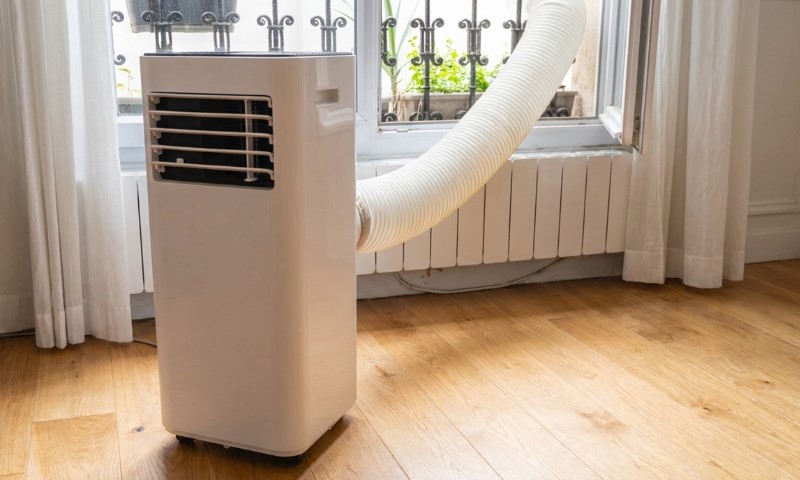
Low-income tenants may struggle to purchase enough window units to cool an entire house or apartment.
Buying a single air conditioner might help in one room, but larger homes may require several units, along with higher electricity costs.
Fifth Ward renter Tammi Edwards, 52, and her husband rely on fans and open windows because their fixed income does not allow them to purchase enough air-conditioning units for their home.
Health concerns make their situation more urgent. Edwards’ husband has a pacemaker and has difficulty coping with high indoor temperatures.
Tenant advocates argue that renters have limited control over several property conditions that affect indoor heat:
- Building insulation
- Electrical capacity
- Window placement
- Ventilation
- Major system repairs
- Permanent property upgrades
Requiring tenants to supply their own cooling can place a major financial burden on households already struggling with rent, utilities, food, and medical expenses.
Reliable air conditioning could also help renters stay safely inside during heat advisories instead of seeking temporary relief at cooling centers, libraries, stores, or the homes of relatives.
What Happens Next
A City Council committee hearing on the ordinance was scheduled for July 28, 2026.
Public testimony and committee discussion could lead to changes in the temperature standard, compliance period, enforcement process, or acceptable cooling equipment before a final vote.
A similar statewide bill introduced during the 2025 Texas legislative session failed to advance amid opposition to additional property-owner regulations.
Houston’s proposal now places the issue at the local level. Approval would establish the city’s first broad requirement for refrigerated air in rental housing and could affect thousands of tenants currently living without reliable cooling.
Summary
Houston’s proposed air-conditioning ordinance would mark a major change in the city’s rental housing rules.
Requiring landlords to provide effective cooling could improve safety for tenants who cannot afford their own equipment, especially older adults, low-income households, and people with medical conditions.
Opposition will likely center on installation costs, maintenance expenses, and the possibility of higher rents.
Council debate will determine how the city balances those concerns against the health risks linked to extreme indoor heat. A final vote could establish Houston’s first citywide cooling requirement for rental homes.