

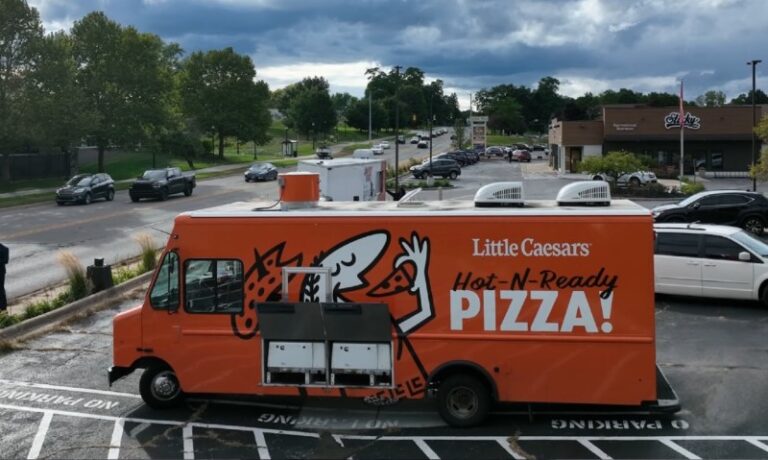
Austin rewards anyone willing to feed a hungry crowd. The city wakes up early for breakfast tacos, lines up for smoked meat at noon, and treats late-night snacks like a civic duty. A food stand fits right into that rhythm. It can be fast to launch, flexible to scale, and surprisingly profitable once the workflow settles.
A solid launch in Austin starts by picking the right model, building a clean permit path, and avoiding guesses that drain cash. The goal is to move from idea to serving your first customer without chaos.
That usually happens when your prep systems, paperwork, and menu grow together instead of fighting one another.
The following tips break down the steps people often skip, misunderstand, or postpone until the final minute. We’ll discuss how real operators build: concept, permits, training, equipment, operations, location, and long-term stability.
Tip 1: Pick the Food Stand Model That Matches Your Cash and Timeline
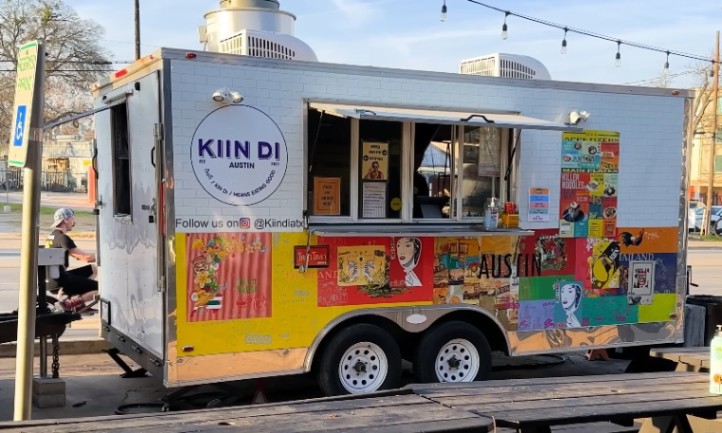
Austin uses the phrase “food stand” for several entirely different setups. You can build a temporary booth for weekend events, a sidewalk cart, or a full mobile food unit on private property. Each one has its own permit stack and cost pattern.
A quick rule many operators use: booth for speed, cart for location, trailer or truck for growth.
Here is a clear comparison for planning:
Food Stand Models in Austin
| Model | Best For | Common Approvals |
| Temporary booth (event-based) | Testing a concept, seasonal selling, short menus, festival traffic | Austin Public Health temporary food permit, event deadlines, and booth layout rules |
| Sidewalk or right-of-way cart/stand | Heavy foot traffic, lunch spots, and downtown vending | City right-of-way vendor permit, location diagram, insurance, cart review |
| Trailer or truck (mobile food unit) | Full menus, food truck parks, consistent weekly schedule | Mobile food vendor permit, Central Preparation Facility agreement, fire inspection requirements |
Choosing one model early creates a direct path through the rest of the setup. Austin reviewers always ask which model you are operating, and that question determines every document you submit afterward.
Tip 2: Build Around Austin Public Health Rules, Not Only State Rules
Texas uses the Texas Food Establishment Rules as its baseline. Austin and Travis County apply their own layers on top. Some are stricter than the state rules, and they carry real enforcement authority.
Austin Public Health also covers multiple jurisdictions in the region. Selling in one area under a single permit does not guarantee permission to sell across the street in another. Many operators learn that after submitting incomplete paperwork.
When you are building a concept around Austin Public Health rules, simple outreach through printable flyers can help test interest before you invest in fuller equipment.
Tip 3: Budget for Permit Fees First
Permit fees are not hidden costs. They are guaranteed and predictable. Austin and Travis County publish fee schedules that function like startup spreadsheets. Set your financial plan around those numbers instead of waiting for invoices to surprise you.
Key examples from the current schedule:
- Temporary food permit, 1–14 days: $62 per booth in Austin, $52 in Travis County
- Mobile food vendor permit, restricted or unrestricted: $309 in Austin, $258 in Travis County
- AFD mobile vendor fire inspection: $222
- Central Preparation Facility registration: $150
There is no workaround. Someone in your operation will pay for every item on that list at some point. Treat those numbers like rent. They are part of the cost of doing business in Austin.
Tip 4: Secure Your Texas Sales and Use Tax Permit Before Anything Else
View this post on Instagram
You cannot legally sell taxable food in Texas without a sales tax permit. It is simple to obtain, but people sometimes skip it while focusing on equipment or branding. That delay can block other permit applications because many Austin forms ask for an active tax number.
Set it up on day zero. Post it when you operate. File returns on time, even if you had no sales. Keep the permit number handy because almost every Austin application asks for it.
Tip 5: Decide Your Legal Structure and Keep the Paperwork Clean
A food stand can run under your legal name or under a brand name. When you use a brand, Travis County requires a DBA filing. That paperwork needs to match the name that appears on your permits.
If you choose an LLC or corporation, file with the Texas Secretary of State. Austin Public Health will likely ask for proof of ownership for the entity when you submit your mobile vendor application.
Loose paperwork slows reviews. Organized paperwork moves your application forward.
Tip 6: Use the My Health Department Portal as Your Main Workflow
Austin requires mobile food vendor and temporary event applications to be submitted through the My Health Department Customer Portal. Treat the portal like your permit command center.
Practical habits that save time:
- Create digital folders for IDs, tax documents, training certificates, CPF contracts, and insurance.
- Use clear file names. Your reviewer sees countless uploads every week.
- Scan documents cleanly. Blurry images often get flagged and returned.
- Keep your portal login details stored somewhere safe. Losing access creates needless delays.
Tip 7: Do Not Plan on Using Home-Prepared Food Under Any Circumstance
Austin’s stance is direct: no home-prepared food in mobile food units or permitted stands.
If someone says “everyone does it,” ignore it. Inspectors do not accept that explanation. Austin Public Health takes that rule seriously because it is tied to food safety, and violations can shut down a stand instantly.
Tip 8: If You Go Mobile, Secure a Central Preparation Facility Early
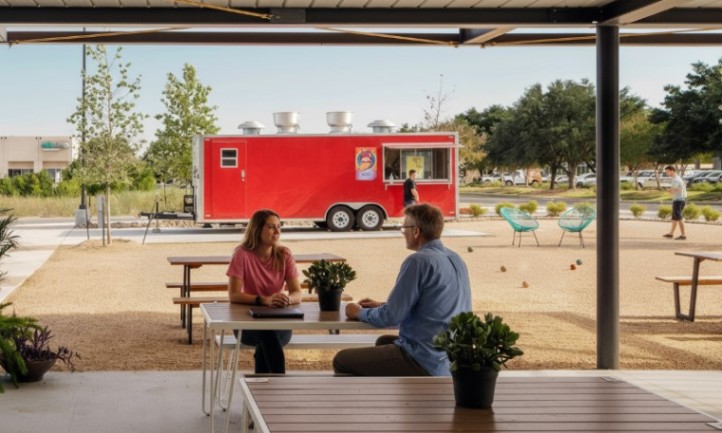
A CPF is often the spine of a mobile food operation in Austin. You use it for bulk prep, dishwashing, water refilling, wastewater handling, ingredient storage, and routine cleaning.
Austin provides a CPF contract form and expects accurate, current documentation. Many operators wait too long to secure a CPF, then discover half their other permit documents depend on it. You can avoid that by locking down your CPF agreement first, not last.
Tip 9: Treat Food Safety Training Like a Core Operating System
Texas requires food handler training for all staff and a certified food manager for certain positions.
Austin goes further for unrestricted mobile units, requiring at least one food manager certificate for each permitted unit.
On a practical level:
- Keep digital copies and a paper binder with all staff certificates.
- Add a rule inside your operation: no employee works past day thirty without a certificate on file.
- Store documents somewhere inspectors can reach them without digging.
Regulators ask for these documents often. Staff turnover makes this step even more important.
Tip 10: Build a Menu that Matches Your Equipment, Not the Other Way Around
Too many operators start with the menu, then discover they lack the water capacity, prep space, refrigeration, or fire safeguards to legally serve the food they envisioned.
Use four filters to shape your menu:
Menu Feasibility Filters
- Food safety risk: Items needing strict temperature control require more equipment.
- Prep footprint: Raw proteins, sauces, and scratch cooking often force you into heavier CPF work.
- Service speed: Austin lunch lines move quickly. A slow menu kills sales.
- Waste profile: Grease, wastewater, and trash volume require legal disposal plans.
Matching menu to equipment keeps your permit path clean and your service line moving.
Tip 11: Plan Your Propane and Electrical Inspection Early
The Austin Fire Department requires an annual propane system inspection for LPG units. You must use a licensed LPG plumber before you even schedule the fire inspection. Electrical inspection forms are also required for first-time permits.
Ignore those steps, and you stall your startup. Build them into the early timeline, not the end.
Tip 12: Treat Mobile Unit Placement Rules Like Site Design
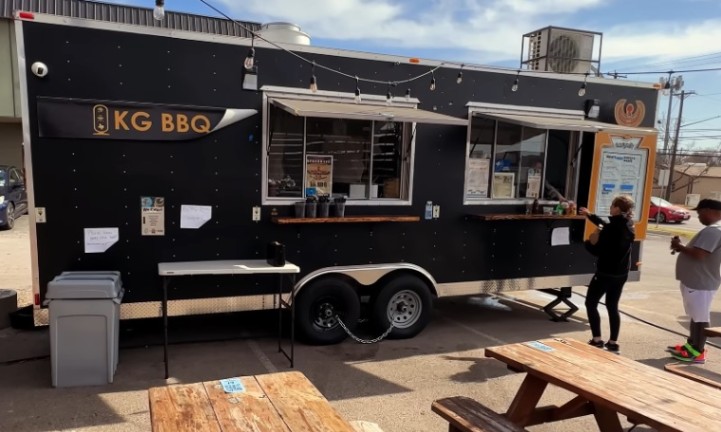
Once you introduce propane, generators, grills, fryers, or crowds, Austin treats your stand as part of its fire protection system. That means spacing rules around hydrants, fire department connections, exits, and pathways.
Think of it as site design, not casual parking. A few feet in the wrong direction can trigger a failed inspection.
Tip 13: If You Want a Sidewalk Cart, Study Right-of-Way Rules Carefully
Sidewalk vending in Austin depends heavily on location. Right-of-way vending rules require insurance, documentation, a cart meeting specific criteria, and an approved site diagram.
Tip 14: Treat Water and Wastewater as Mission-Critical Systems
Handwashing, warewashing, wastewater disposal, and sanitation plans carry huge weight in Austin’s review process. Some mobile vendor setups require wastewater pumping service agreements. That is a contract, not a casual arrangement.
If you cannot clearly show where fresh water comes from, where wastewater goes, and how the process is documented, your application is not ready.
Tip 15: Treat Temporary Event Deadlines as Hard Cutoffs
Austin requires temporary event applications to be submitted through the portal and often calls out lead times of at least ten calendar days before the event.
Practical playbook:
- Submit early.
- Expect at least one round of document corrections.
- Reuse the same booth layout across events to save setup time and paperwork.
Standardization lets you accept more events without burning out.
Tip 16: Use Early Sales Channels that Reduce Pressure
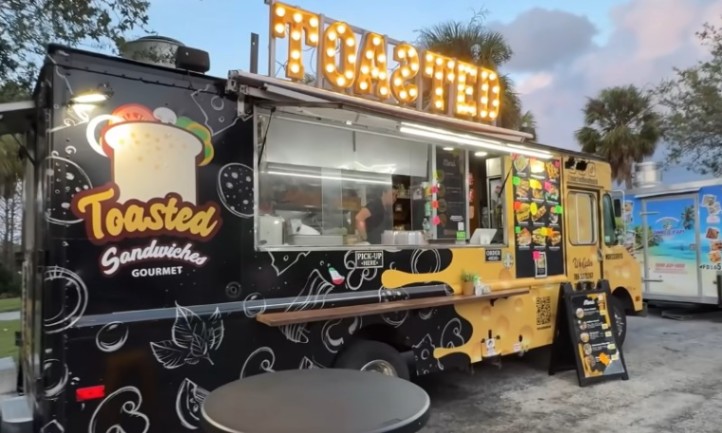
A staged launch often works in Austin:
- Temporary events with a tight menu
- Private property service through breweries or food truck parks
- Right-of-way vending once your location plans pass city review
Travis County and Austin both reference DBA filings, tax permits, and other startup basics in their public resources. The staged approach fits those workflows naturally.
Tip 17: Build an Inspection-Ready Setup from Day One
Inspectors look for the same fundamentals over and over:
- Safe food temperatures
- Protected food
- Cleanable surfaces
- Logical workflow
- Clear handwashing access
- On-site documents for permits, training, and CPF agreements
Texas requires food handler documentation to be accessible on premises. Keep everything in one binder or one digital folder so nothing goes missing on inspection day.
Tip 18: Use the Right Checklist for Your Model
Here are simplified operational checklists tailored to Austin’s system.
Temporary Booth Checklist
- Portal account and submitted application
- Early submission for event deadlines
- Texas sales tax permit
- Food handler documentation on site
Sidewalk Cart or Right-of-Way Checklist
- Right-of-way vendor permit
- Location diagram and insurance
- Sales tax permit
- Food safety documentation on site
Mobile Food Unit Checklist
- Mobile food vendor permit application
- CPF agreement
- Fire inspection planning, LPG plumber report, and electrical form
- Budget aligned with the current fee schedule
Tip 19: Price for Austin, Not for Generic Food Business Math
A crowd in Austin pays for quality when the service line moves quickly, the signature item is clear, and the brand feels real. A food stand that holds steady usually has:
- A simple, memorable menu
- A fast pathway from ticket to plate
- A signature dish that photographs well
- Equipment sized for the rush, not the slow period
Add line speed to your cost model. One extra minute per order can cost hundreds of dollars in lost sales during short windows.
Tip 20: Follow Permit Fee Categories Based on Gross Sales
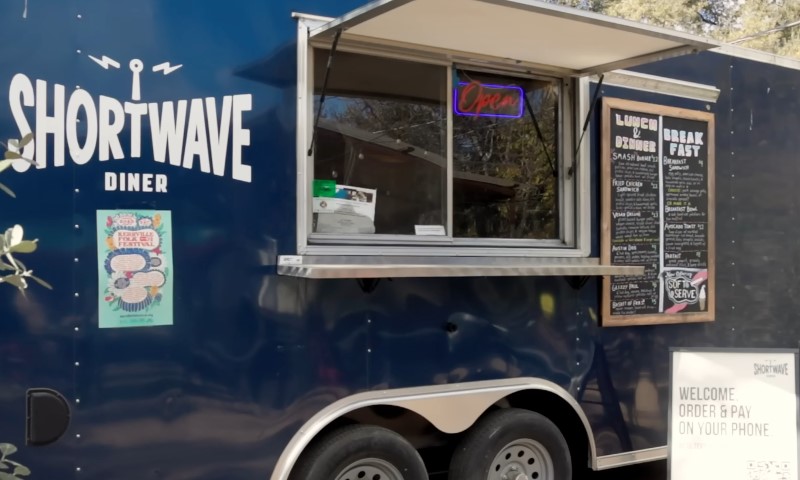
Austin and Travis County tie permit renewal categories to gross sales tiers. As revenue rises, your renewal tier may shift. That affects next year’s budget.
Track your gross sales so you can forecast when you are approaching the next fee band. Reserve funds early to avoid renewal surprises.
Tip 21: Write a One-Page SOP Before Opening
A one-page standard operating procedure removes most early mistakes. Include:
- Receiving and storage rules
- Prep flow: what happens at the CPF and what happens on site
- Temperature checks
- Allergen handling
- Sanitizer setup
- Wastewater and trash handling
- End-of-day cleaning steps
- Location of permits, contracts, and certificates
Operators often treat SOPs like optional documents. They are not. A clear SOP stabilizes your team and your service line.
Common Fees
All figures come from the Austin and Travis County Environmental Health Services fee schedule, effective October 1, 2025.
| Item | City of Austin / Inter-locals | Travis County |
| Temporary food permit (1–14 days) | $62 | $52 |
| Mobile food vendor permit | $309 | $258 |
| On-site mobile vendor inspection fee | $740 | Not listed |
| AFD fire inspection | $222 | Not listed |
| Travis County fire inspection | Not listed | $266 |
Final Thoughts
A food stand in Austin can turn into a career, a side business, or a stepping stone toward a full restaurant. The key is picking the right model, planning with Austin’s systems in mind, and building your workflow around real requirements instead of myths.
Once you map your permits, lock down your CPF, secure your tax permit, and shape a menu that fits your equipment, the entire process becomes lighter. Austin is full of customers who love new flavors. You just need a clean, legal, well-organized setup to meet them.