

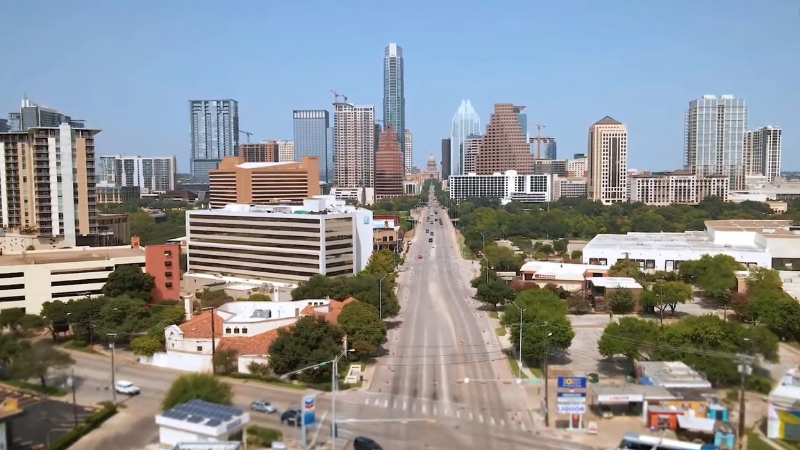
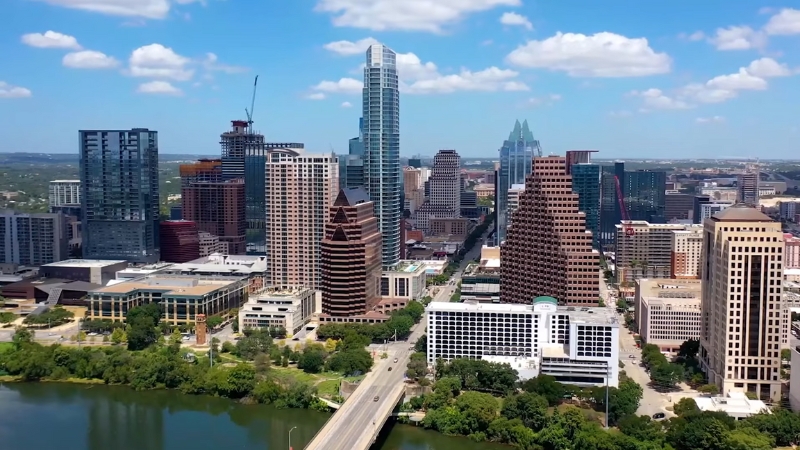
Austin ranks as one of the fastest-growing metro areas in the United States, home to nearly 974,000 residents in the city and more than two million across the metro.
Growth comes as no surprise, since Austin offers a mix of live music culture, tech-driven opportunity, outdoor recreation, and a creative spirit recognized nationwide.
Many newcomers arrive seeking career advancement, an active lifestyle, and access to a community that values individuality and innovation.
A mix of big-city energy and small-town style continues to shape daily life, attracting professionals, students, families, and entrepreneurs.
Cost of Living in Austin
Austin carries a cost-of-living index of 129.1, placing it about 29% higher than the national average while still remaining more attainable than financial hubs like New York or San Francisco.
Rising demand, steady job growth, and continued relocations shape everyday expenses across the city. Many newcomers manage comfortably by planning ahead and adjusting lifestyle choices to fit local pricing patterns.
Living costs often vary based on neighborhood, household size, and commuting needs. Housing and transportation shape financial decisions most heavily, though food, healthcare, and utilities also play major roles in monthly budgeting.
Individuals often spend around $2,600 each month on general needs. Comfortable income ranges usually begin near $58,800 for singles and $110,520 for families.
Living wage estimates place a single adult at roughly $37,754 annually and a family of five near $126,593. These figures create a baseline for anyone evaluating a long-term move.
Housing Market
Housing remains a central factor in Austin’s overall cost structure. Rent prices shift significantly depending on access to entertainment districts, transit, and employment centers.
Anyone comparing neighborhoods will notice sizable differences in monthly rates, especially between central and suburban zones.
One-bedroom apartments average around $1,800 citywide. Downtown and popular inner-city districts often run between $1,800 and $2,500 or higher.
East Austin averages near $1,800, Windsor Park around $1,430, and Great Hills about $1,510. These ranges reflect both demand and proximity to nightlife, restaurants, and major employers.
Homebuyers encounter median prices between $530,000 and $577,400, along with a price-per-square-foot near $348. Buyers often weigh factors such as commute time, school performance, and future resale value when selecting a neighborhood.
Utilities and Internet

Utility expenses add another recurring cost for residents. Average monthly spending lands near $170, although summer heat often pushes cooling bills upward.
Austin’s climate demands steady AC usage, especially for those living in older buildings without modern insulation.
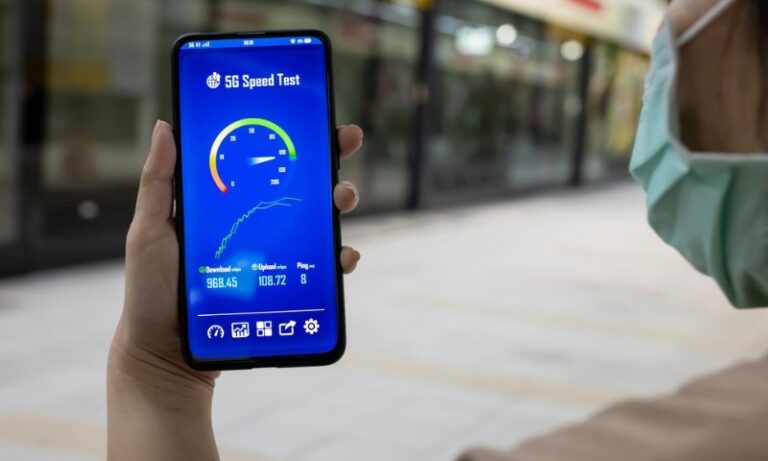
Internet providers offer a range of price points suitable for remote work or streaming needs.
Astound plans start at around $25 for 300 Mbps, while AT&T packages near $55 provide similar speeds.
Households relying heavily on online work often find mid-tier plans more than adequate.
Transportation Costs
Transportation choices significantly influence overall affordability.
Many residents rely on personal vehicles due to the city’s spread-out layout, though public transit and cycling options help reduce costs in certain areas.
Gas prices hover close to $2.15 per gallon. Car insurance averages $979 for basic coverage and roughly $1,159 for full coverage each year.
CapMetro buses cover large portions of the city, and MetroRail connects Downtown to Leander, though it does not reach every neighborhood.
Cycling lanes and BCycle rentals support shorter commutes, especially in central districts.
Key travel-related factors often influence monthly budgets:
- Parking fees in central neighborhoods can add expenses for commuters.
- Car maintenance grows more frequent due to the high summer heat.
- Transit access improves reliability for those in dense areas.
Food and Groceries
Food spending varies widely based on personal habits. Grocery budgets usually range between $200 and $500 per person monthly.
Many households cook at home to offset Austin’s vibrant but sometimes pricey restaurant scene.
Dining out remains popular, supported by food trucks, BBQ spots, and a wide range of cuisines, though frequent outings can quickly increase spending.
Healthcare and Childcare
Healthcare costs rise slightly above national averages.
Monthly insurance premiums often range between $478 and $584, depending on:
- Age
- Plan type
- Employer coverage
Specialist visits and prescription prices can also influence yearly expenses, especially for larger households.
Childcare creates one of the most substantial family-related costs in the region.
Availability varies by neighborhood, prompting many parents to plan waiting lists well in advance.
Household budgets frequently shift around childcare payments, leading families to compare communities with school and daycare access in mind.
Job Market and Economy
Austin reports an average salary of about $72,000 and an unemployment rate of 3.6%.
Growth draws companies in tech, healthcare, education, and startup innovation.
Major employers include:
- Meta
- Oracle
- Dell
- The University of Texas
Healthcare remains one of the strongest high-income sectors, especially for physicians, medical directors, and hospitalists.
More than 1,800 businesses have relocated to the region, signaling strong economic momentum.
Professionals updating resumes or writing cover letters for Austin-based roles may benefit from a paraphraser to ensure clarity and originality in their applications. Without a doubt, that will help them increase their chances.
Lifestyle and Local Culture
Austin offers a highly active lifestyle, supported by outdoor recreation, music venues, festivals, and community gatherings.
Residents often balance work with regular time on trails, at concerts, or in local markets.
Every neighborhood contributes its own style, creating distinct pockets of activity across the metro.
Outdoor Living
View this post on Instagram
Outdoor recreation plays a key role in Austin’s identity.
Parks exceed 500 across the metro, giving residents access to water, trails, and open spaces.
Barton Springs Pool draws swimmers year-round due to its natural spring water. Lady Bird Lake attracts paddleboarders and kayakers throughout the week.
Barton Creek Greenbelt provides hiking, biking, and climbing opportunities.
Ann and Roy Butler Trail features a 10-mile loop around the lake that draws runners and cyclists daily.
Lake Travis offers a range of outdoor experiences, including one of the region’s most popular zipline attractions for thrill-seekers.
Music and Arts
Austin promotes a strong live-performance culture supported by bars, patios, clubs, and outdoor venues offering nightly shows.
Annual events such as SXSW and Austin City Limits attract global performers and large audiences.
Street art, murals, independent galleries, and local entertainers play a constant role in shaping the city’s creative expression.
Dining and Nightlife

Dining culture centers on BBQ, Tex-Mex, plant-based cuisine, food trucks, and experimental restaurants.
Nightlife spreads across several districts, each offering a different atmosphere.
- 6th Street caters to bar-hopping and late-night crowds.
- South Lamar and South First supply brunch spots, boutique shops, and casual dining.
- East Austin features wide-ranging restaurant options and independent bars.
Residents often mix local favorites with new openings, since Austin’s food scene changes rapidly.
Public Events and Shopping
Frequent community gatherings create opportunities to meet neighbors and explore small businesses.
First Thursday in SoCo brings vendors, shoppers, and performers together once a month.
Weekend markets and vintage shops draw steady crowds, especially in cooler seasons.
Shopping centers such as The Domain offer upscale retail, while South Congress presents specialty boutiques, handmade goods, and locally owned stores.
Transportation and Accessibility
Students walk to #CapMetro bus stops every morning. @AustinISD Director of Transportation and #ATXpert Kris Hafezizadeh has some safety tips to ensure they get around Austin safely with #CapMetro. pic.twitter.com/Heoq78t0JC
— CapMetro (@CapMetroATX) January 14, 2020
CapMetro operates more than 1,500 bus stops with affordable fares that support everyday commuting.
MetroRail offers nine stops along a corridor connecting Downtown to Leander.
BCycle stations and scooters fill in short-distance gaps, especially in walkable areas.
Many residents still rely on cars, though Downtown, East Austin, and SoCo offer easier pedestrian movement due to concentrated amenities.
Education and Schools
Austin supports 94 public schools, including 58 high schools that receive national-level recognition.
Liberal Arts and Science Academy consistently ranks among the highest-performing institutions in the region.
The University of Texas at Austin holds a national ranking of 32 and draws students nationwide.
Several well-established private schools also operate across the city, offering alternative curricula, smaller class sizes, and faith-based or college-preparatory programs.
Families often compare neighborhoods carefully since access to high-performing schools shapes both home values and lifestyle choices.
West Lake Hills, South Austin, and Rosedale often rank high for academic performance and community resources.
Final Tips for Moving to Austin
@cookiterica OFFICIALLY ON OUR WAY TO THE NEW HOUSE 🏡 LETS WRAP THIS UP AND GET HOME! #austintexas #atx #movingseries #moving #einsteinmovingcompany #motherdaughter ♬ original sound – ERICA & MORGAN
New arrivals benefit from spending time in several neighborhoods before choosing a long-term home, since each area delivers a different pace and atmosphere.
Housing costs rise steadily, so careful budgeting helps enormously.
Many movers select short-term or flexible rentals while exploring.
Packing for heavy traffic, steady construction, and rapid growth prepares newcomers for a smooth transition.
Local pride and the well-known Keep Austin Weird spirit remain central to community identity.