
When I first helped a small ecommerce seller register their business in Texas, I expected the process to be simple: file an LLC, grab a tax number, and start selling. But Texas has its own rhythm when it comes to compliance.
The deeper I went, the more I realized how many sellers are quietly operating without the correct permits, not because they are trying to avoid the rules, but because the information is scattered, outdated, or written in a way that feels intentionally confusing.
The most important point to understand is this: Texas does not require one universal “e-commerce license.” Instead, it requires a combination of business registrations, tax permits, and industry-specific filings depending on what you sell, how you ship, where your warehouse is, and how you collect payments.
Once you know which category you fall into, the process becomes much more manageable. Below is the full, detailed, human-readable breakdown.
1. Texas Sales and Use Tax Permit (Required for Almost All Sellers)

The Texas Sales and Use Tax Permit is the backbone of e-commerce compliance in the state. If you sell taxable goods to Texas customers, you must have this permit before you make your first sale. Texas does not charge for it, but the penalties for operating without it can get expensive quickly.
You apply through the Texas Comptroller of Public Accounts, and the permit allows you to collect sales tax, file returns, and operate legally as a retail seller in Texas.
Why Almost Every E-Commerce Seller Needs This Permit
| Requirement | Applies If… | Why It Matters |
| You sell physical goods | Products shipped to Texas addresses | Texas charges sales tax on most tangible products |
| You sell wholesale | Selling to resellers using exemption forms | You must verify exemption certificates |
| You store inventory in Texas | Amazon FBA, 3PL, or your own warehouse | Physical nexus triggers tax obligations |
| You make taxable digital sales | Certain digital goods, downloads | Texas taxes more digital items each year |
If you operate online and ship to Texas customers, this permit is mandatory.
2. Texas Business Registration (LLC, Corporation, or Sole Proprietorship)
Before you start collecting payments, most e-commerce owners form an LLC or corporation through the Texas Secretary of State. This protects your personal assets and makes tax filing easier. Texas does not require a specific “e-commerce business license,” but it does require that your business structure be legally registered.
Business Structure Options in Texas
| Structure | When It’s Used | Advantages | Disadvantages |
| Sole Proprietorship | Small sellers testing the market | Simple, cheap | Zero liability protection |
| LLC | Most e-commerce brands | Protects personal assets, flexible taxation | Filing fees + annual reporting |
| Corporation | Larger operations or investor-backed brands | Strong structure, scalable | More complicated paperwork |
Most e-commerce sellers choose an LLC because it protects them if something goes wrong (defective product, missed tax payment, supplier dispute).
3. Employer Identification Number (EIN)

Even if you don’t have employees, you typically need an EIN for e-commerce. Payment processors, Amazon, Shopify Payments, and wholesalers require it. The IRS issues it for free, and you can apply online.
4. Local Business Permits (City or County Level)
Texas does not require a statewide “general business license,” but many cities and counties do. The requirements vary heavily depending on where you live or where your warehouse operates.
For example:
- Houston may require a general business license depending on your address.
- Dallas often requires a Certificate of Occupancy if you ship from a home or warehouse.
- San Antonio requires a similar occupancy permit for physical locations.
Local Permit Overview
| City / Area | Type of Permit Commonly Needed | Notes |
| Houston | General Business License | Depends on zoning |
| Dallas | Certificate of Occupancy | Needed for warehouses and home-based operations |
| Austin | Home Occupation Permit | If running a business from home |
| San Antonio | Certificate of Occupancy | For any storage or shipping location |
| Rural Counties | Often none | But zoning rules still apply |
If you only sell online and use a fulfillment center, your city may not require anything, but you must check locally.
5. Home Occupation Permit (If Shipping From Home)
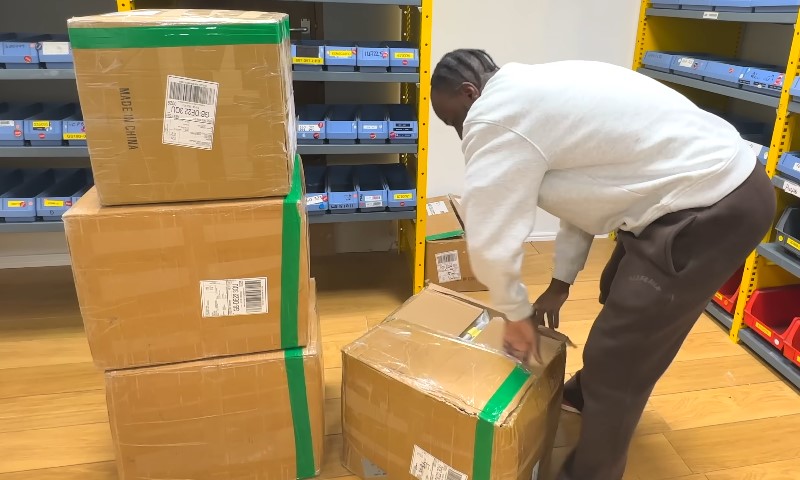
If you run your e-commerce business from a home in Texas, packing orders, storing inventory, or receiving shipments, your city may require a home occupation permit.
Some cities enforce rules such as:
- Limited inventory storage
- No commercial signage
- No increased traffic
- No chemical products on-site
It’s often a fast approval process, but ignoring it can cause violations if neighbors complain or if inspectors catch commercial activity at a residence.
6. Resale Certificate (Texas Form 01-339)
If you buy products wholesale to resell them, you should also use a Texas Resale Certificate. This allows you to purchase goods tax-free from suppliers.
Many wholesalers won’t even work with you unless you provide this form.
How It Works
You present the resale certificate to your supplier → You don’t pay sales tax on the wholesale order → You collect tax from the final customer instead.
It goes hand-in-hand with your Sales and Use Tax Permit.
7. Industry-Specific Licenses (Only If You Sell Certain Items)
Texas has strict rules for certain product categories. If your e-commerce business sells one of these, you must obtain additional licenses.
Product-Specific License Requirements
| Product Category | Permit Needed | Issued By | Notes |
| Food items | Food Manufacturer License | Texas DSHS | Required if preparing food yourself |
| Supplements | Dietary Supplement Registration | DSHS | Labeling audits are strict |
| Cosmetics/skincare | Cosmetic Manufacturer License | DSHS | Even handmade soaps may require it |
| Alcohol | TABC Permit | Texas Alcoholic Beverage Commission | Very strict; shipping rules apply |
| Tobacco/vapes | Tobacco Retailer Permit | Comptroller | Age verification required |
| CBD/hemp | Consumable Hemp Product License | DSHS | Testing + registration |
| Firearms accessories | Federal Firearms License (if selling parts) | ATF | Even certain components may trigger requirements |
| Medical devices | FDA Facility Registration | Federal | Depends on product class |
For example, if you run an online boutique selling fashion items, whether handbags, accessories, or premium watches like guld klocka dam, Texas does not require an additional industry-specific license, as long as you are not selling regulated goods. You simply need your tax permit and business registration.
8. Shipping, Warehouse, and Logistics Requirements
Texas does not require a specific warehousing license for storing e-commerce inventory, but other rules may apply:
Fulfillment and Storage Considerations
| Requirement | Applies If | Notes |
| Texas Nexus | You store inventory in Texas | Amazon FBA counts as a nexus even if you never visit the warehouse |
| Hazardous materials rules | You store batteries, chemicals | Must follow storage safety codes |
| Weight and measurement compliance | You sell packaged goods by weight | Product labeling must meet state standards |
If your business uses a 3PL in Texas, the 3PL must be licensed, but you do not need a separate license unless you are operating your own storage facility.
9. Online Payment Compliance (Required by Most Platforms)

This is the category people often overlook. To accept online payments legally, payment processors require:
- EIN
- Registered business entity
- Verified business bank account
- Sales tax permit (if selling taxable goods)
10. Optional but Highly Recommended: Trademark Registration
This is not legally required, but for e-commerce sellers, it makes sense early. A trademark protects your store name, logo, or product line.
You can file in:
- Texas Secretary of State (state-level protection)
- USPTO (nationwide protection)
For private-label or DTC brands, this becomes essential as you grow.
11. Texas Franchise Tax (Annual Requirement, Not a Permit)
View this post on Instagram
All Texas LLCs and corporations must file a franchise tax report every year, even if they owe zero tax. The filing is simple but mandatory.
Missing a filing can lead to:
- Penalties
- Loss of “active” business status
- Difficulty renewing permits
- Freezing of your business bank account in severe cases
This is not a license, but it is a compliance obligation every e-commerce brand must maintain.
Final Thoughts
Texas is a business-friendly state, but it expects e-commerce sellers to stay compliant, and the rules can stack quickly if you don’t know where to look. Once you understand the categories (business formation, tax registration, local permits, and product-specific licenses), the entire process becomes predictable and manageable.
Most sellers only need:
- Sales & Use Tax Permit
- LLC registration
- EIN
- Resale certificate
- Local permits depend on where they operate.
But if you sell food, cosmetics, CBD, supplements, or alcohol, expect additional layers of licensing. The goal is not to overwhelm you; it’s to keep your business protected, legitimate, and ready for growth in the Texas ecommerce market.